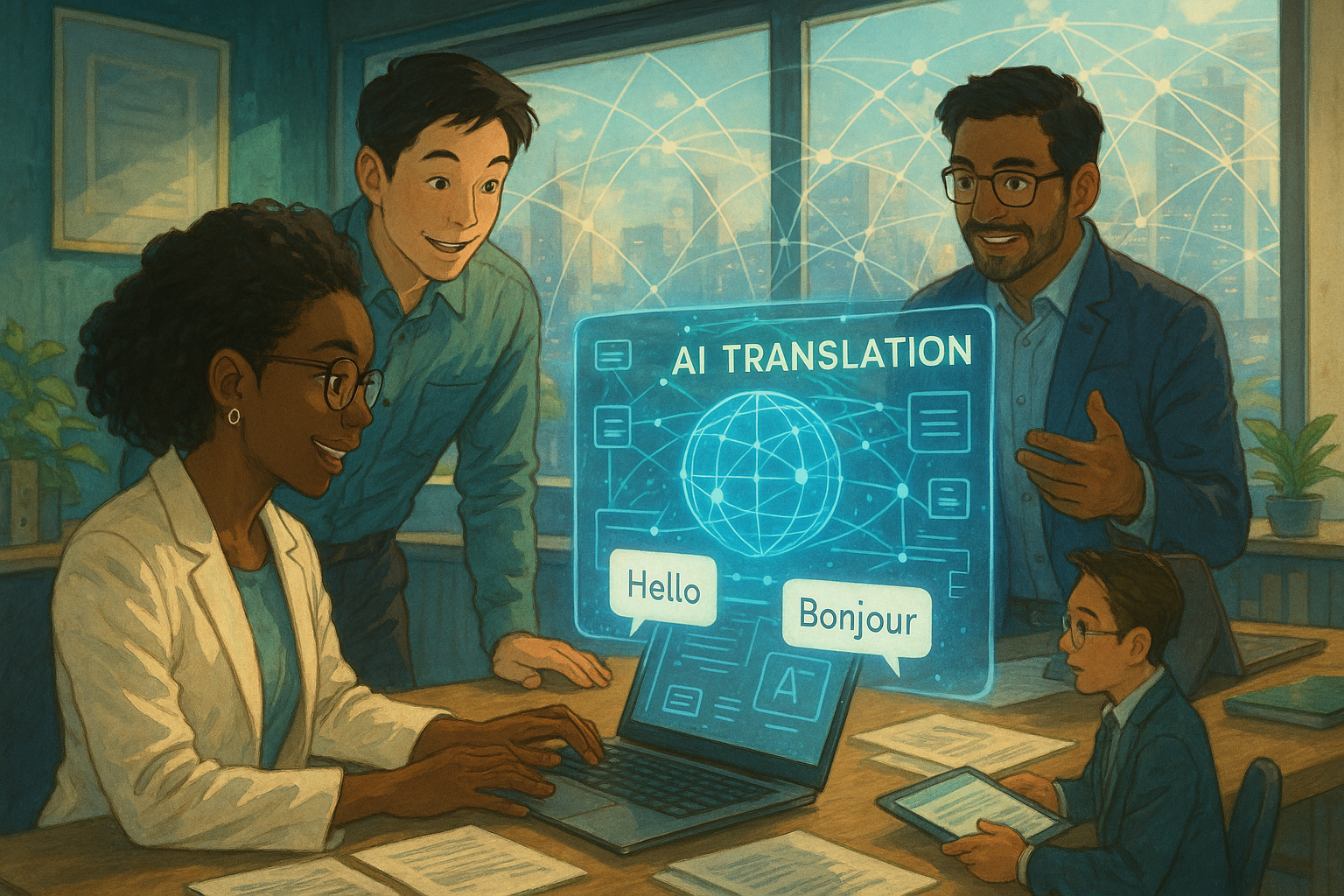
What is AI-generated image processing? A complete analysis of AI-generated image processing principles, application scenarios, and popular tools for beginners.
AI-generated images (images generated by AI)It has become a focal point of innovation in digital content and the creative industries.This article provides a systematic analysis.The technical principles behind AI-generated images (GAN/Diffusion Model/Deep Learning)To sort out its inApplications in multiple fields such as artistic creation, commercial design, image restoration, entertainment, education, and healthcare.It also provides a comprehensive comparison of five mainstream AI image generation tools (Midjourney, DALL-E, Stable Diffusion, GenApe, and Adobe Firefly) to help beginners quickly get started and make informed choices.Seize the AI wave and take the first step in the AI-driven revolution of image processing!
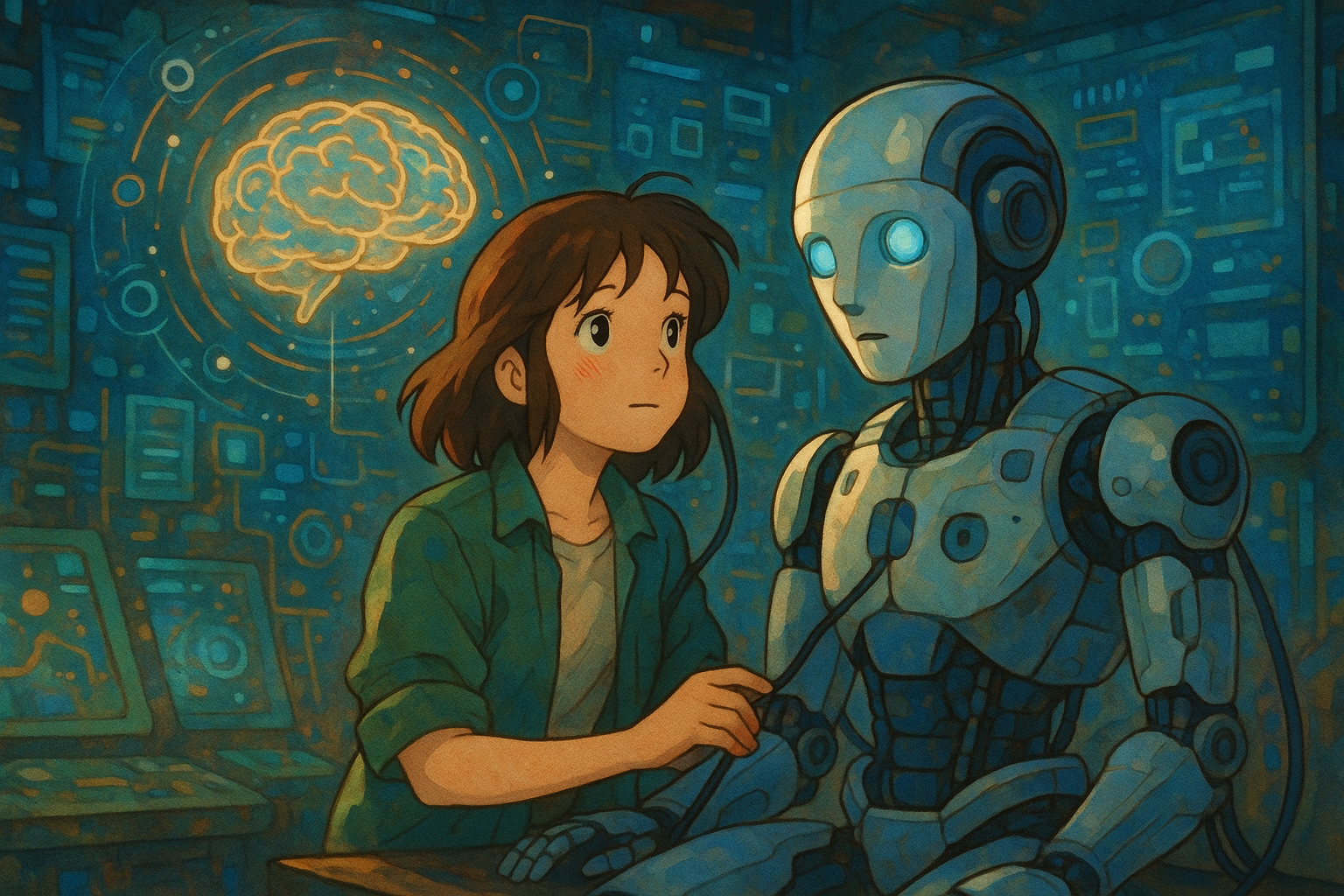
What is AI-generated image?
“"AI-generated images"Technology that uses artificial intelligence algorithms to automatically generate or create image contentUnlike traditional hand-drawing or image editing, it relies entirely on computers to generate images autonomously—simply input a text description (Prompt) or even upload a simple sketch, and AI can quickly output various styles and types such as photos, illustrations, artwork, and product images.AI-generated images are becoming a driving force for the modern creative industries.。
Demystifying AI Image Generation Principles: GAN, Diffusion Model, and Deep Learning
GAN (Generative Adversarial Network)
GANIt is an early and widely used AI image generation model. Its core structure, the "generator," is responsible for creating images, while the "discriminator" judges whether they are real or fake. The two work together to continuously improve, eventually generating increasingly realistic images. It was already being used in AI art creation in 2018.
Diffusion Model
Currently mainstreamdiffusion model(Such as Stable Diffusion and Midjourney) can restore images with high detail: starting from a mass of "noise", it gradually "de-noises" and restores it into a clear image. Each generation has a bit of random creativity, which is very promising and popular.
Deep learning and data training
All AI-generated images are based on deep learning technology.This requires training machines on large-scale image sets to continuously absorb different styles and details, thereby improving recognition and creative capabilities. CNN and Transformer models are commonly used to achieve efficient image learning, and are continuously optimized by tech giants or startups.
AI Image Creation Process Table
| Process Phase | illustrate |
|---|---|
| Data Training | The model analyzes massive amounts of images and learns image features. |
| User input | Text prompts or basic image guidance |
| Image generation | AI automatically synthesizes original images based on instructions. |
| Intelligent evaluation and optimization | Adjust details and fix unnatural visuals |

Key takeaway: Modern AI-generated images have achieved an automated closed loop from data collection and generation to post-processing.
A comprehensive overview of AI-generated image application scenarios
Artistic Creation
AI-generated images enable digital artists and illustrators to quickly realize their inspiration and accelerate their conceptualization process.A first draft is generated in seconds, making it easy to modify and expand.
Commercial Design
AI-generated visuals, composite main images, and background replacement are widely used in advertising, product packaging, and e-commerce art design.This significantly reduces labor and time costs.
Image restoration and compositing
AI can not only create new images, but also restore old photos, remove clutter, automatically fill in details, and even perform face swapping, pose reconstruction, and 3D modeling.
Entertainment industry
Game companies and animation studios are using AI extensively to generate promotional art, character designs, and cinematic scenes, greatly shortening the design cycle.
Education, healthcare, scientific research
Medical image generation and sample augmentation; brand-new illustrations for popular science/textbooks.This significantly optimizes visual effects and information delivery.
AI-generated image application scenarios table
| Application areas | Specific examples |
|---|---|
| Artistic Creation | Concept art, illustrations, style transformation |
| Commercial Design | Packaging main visual, product illustrations, e-commerce model |
| Image restoration | Old photo restoration, HD upscaling, and background replacement |
| Entertainment Games | Game characters and scenes are automatically generated. |
| Education and Healthcare | Enhanced medical images, illustrations for science textbooks |
A Must-Read for Beginners: Analysis of Popular AI Image Generators
There are currently five major AI-powered image generation platforms:
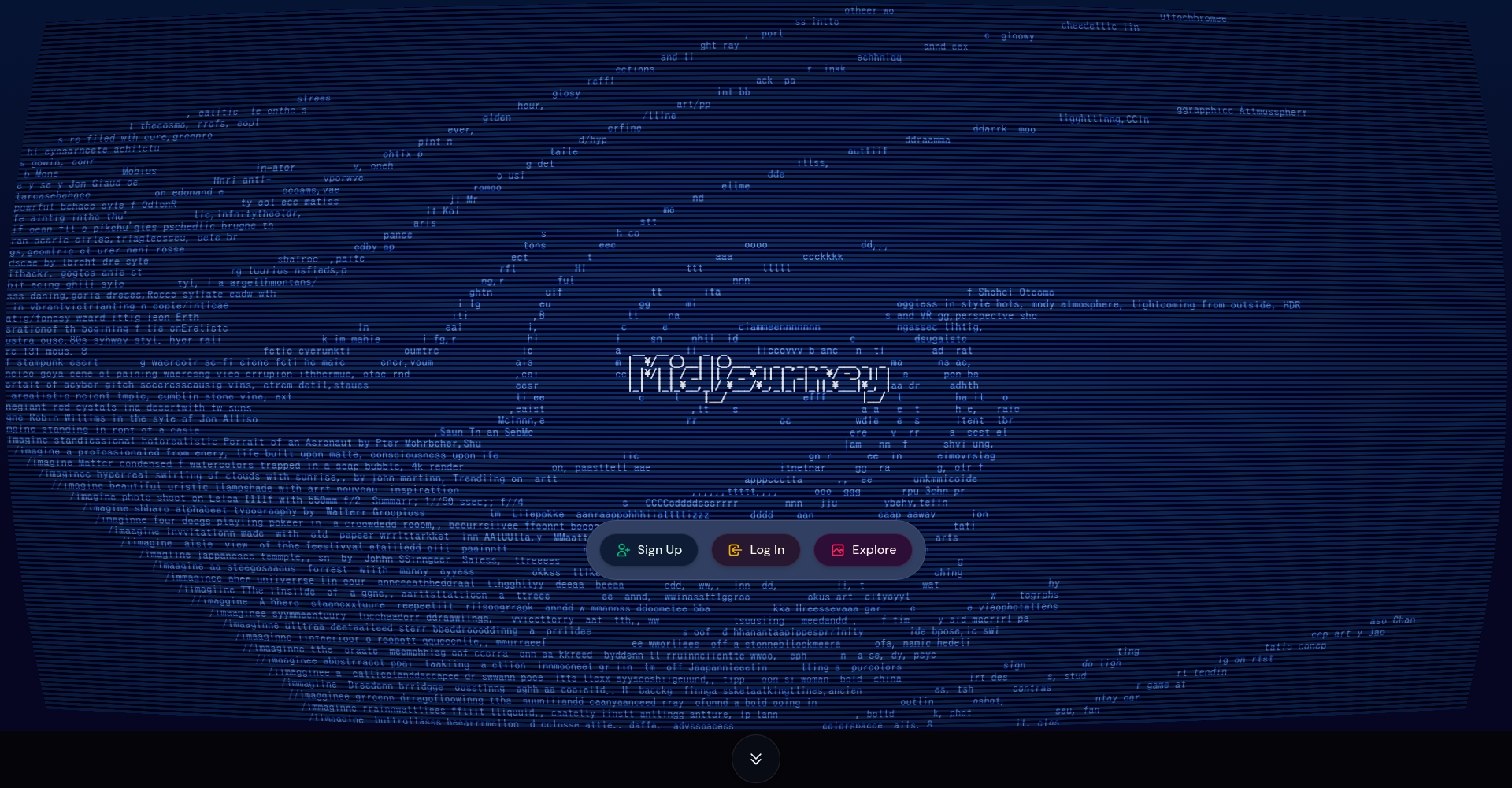
Midjourney
- Inputting commands on the Discord platform returns high-quality artistic images with multiple customizable parameters, making it very popular among illustrators.
- Website:Midjourney Official
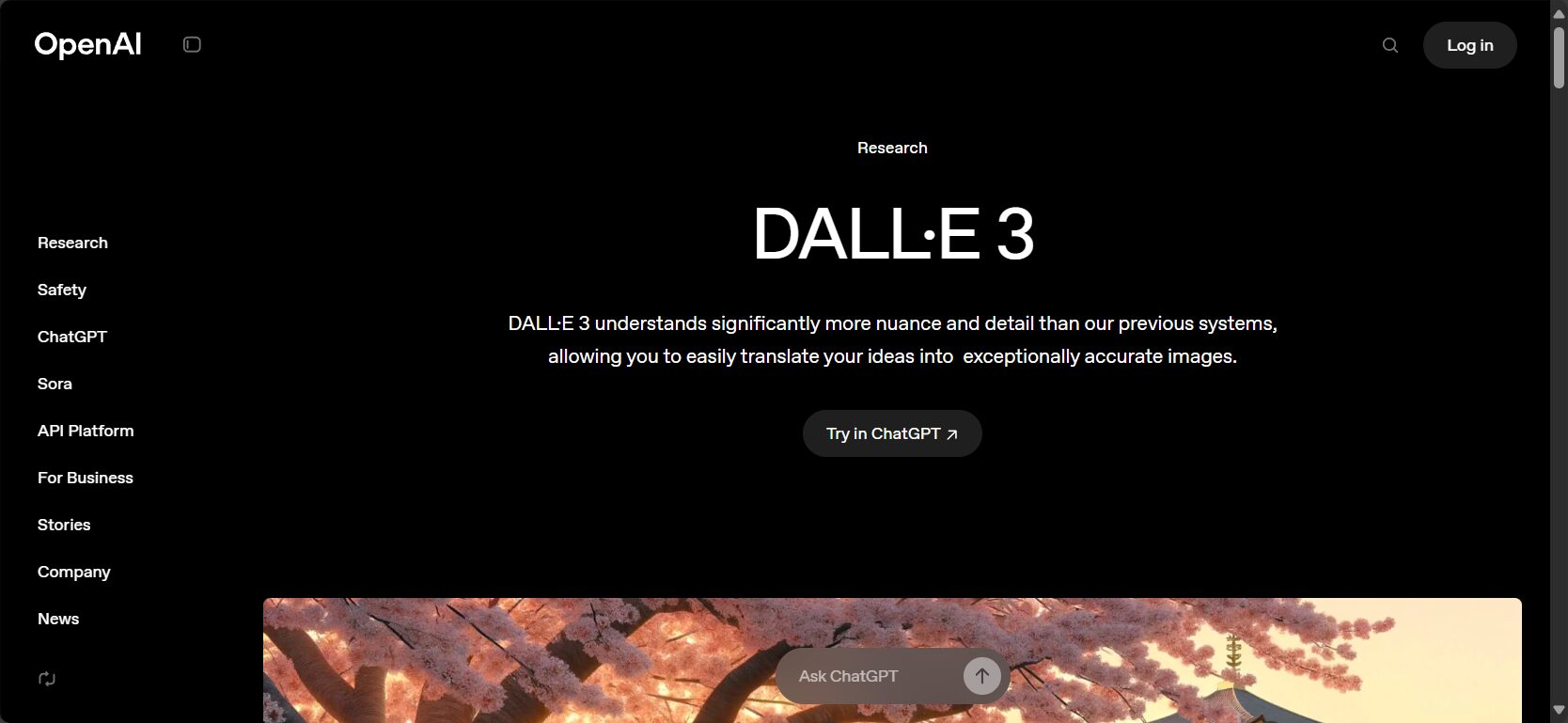
DALL-E 2/3 (OpenAI)
- Developed by OpenAI, it focuses on powerful creative expression, allowing images to be infinitely extended (outpainting) and automatically synthesizing scenes.
- Website:DALL-E Official
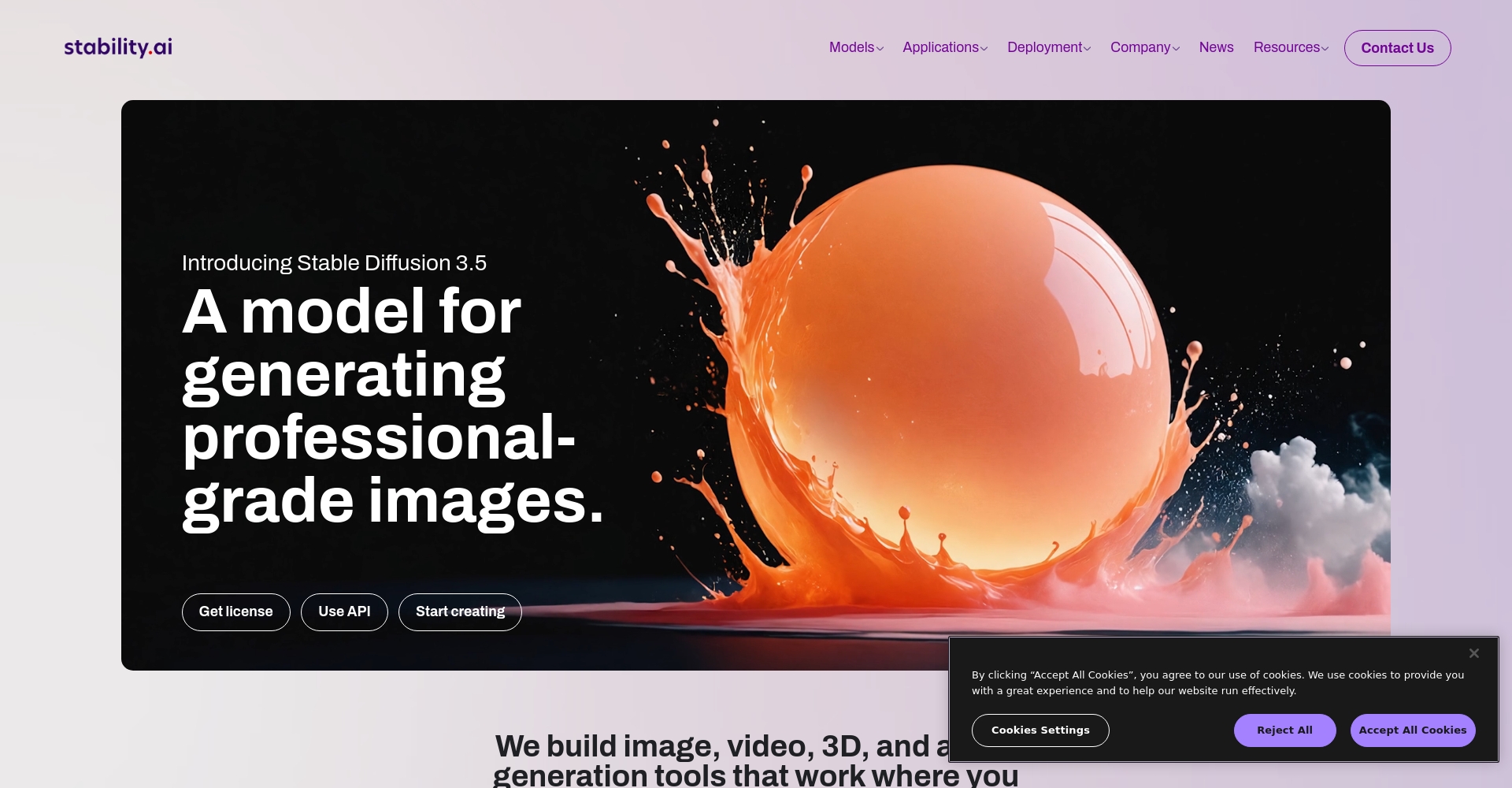
Stable Diffusion
- Open source star product, can be deployed locally, diverse styles, active community, and extremely high development extensibility.
- Website:Stability AI Official Website
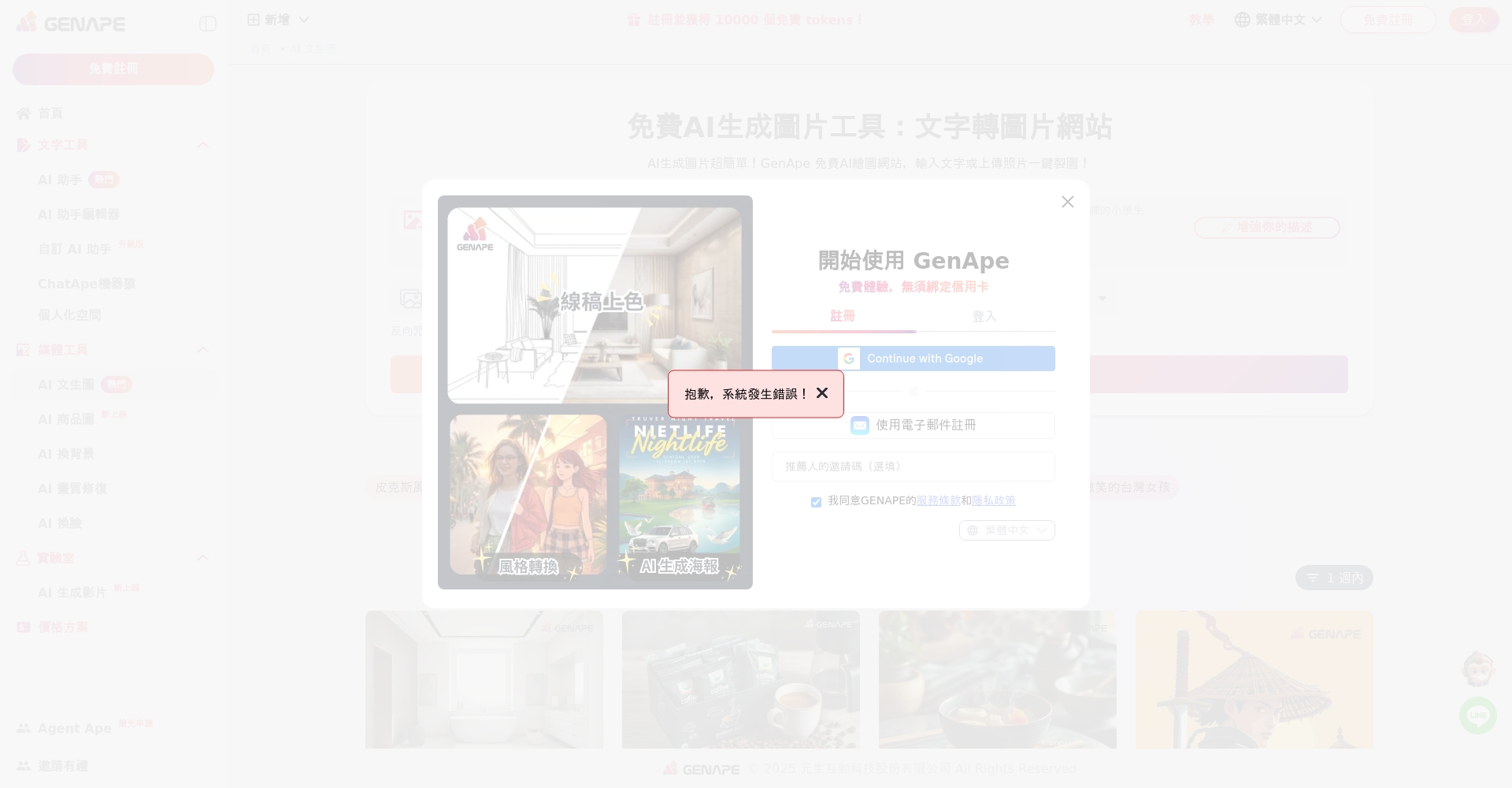
GenApe
- With a Chinese interface, extremely simple operation, and direct generation without registration, it is suitable for commercial use, startups, and beginners.
- Website:GenApe platform
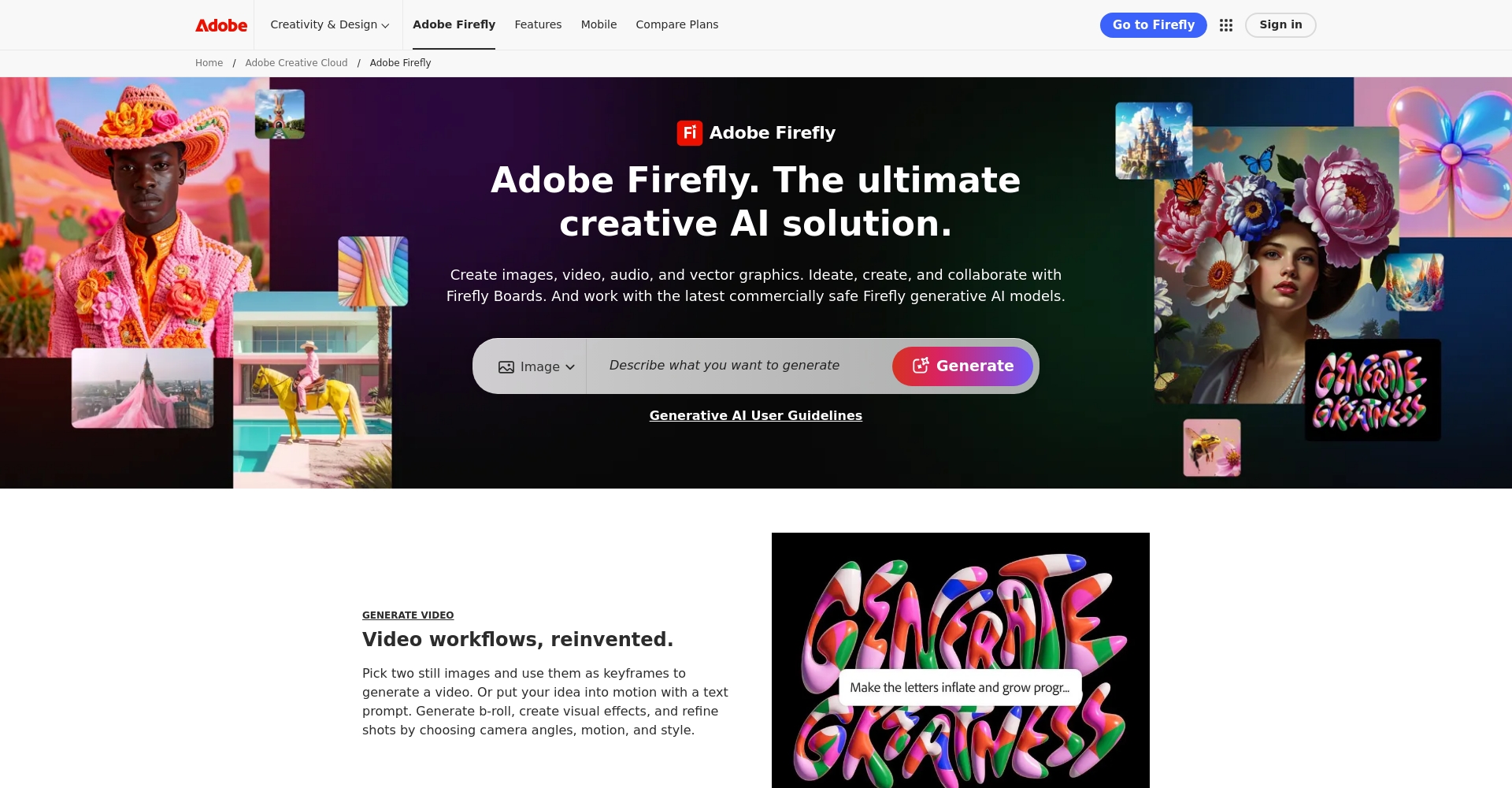
Adobe Firefly
- Embedded with Adobe Design software, it supports multilingual natural input, and allows for one-stop editing and generation.
- Website:Adobe Firefly
Comparison table of mainstream AI image generation tools
| Tool Name | characteristic | Supported languages | Suitable for users |
|---|---|---|---|
| Midjourney | High-definition graphics, social interaction, and diverse styles | English | Concept designers and illustrators |
| DALL-E | Limitless creativity, image extension, intelligent synthesis | English | Content creators |
| Stable Diffusion | Open source, customizable, rich in modules, and can run locally. | Multilingual | Developers, technology users |
| GenApe | Chinese language support, commercial license, easy to use | Chinese | Beginners, Startups, E-commerce |
| Adobe Firefly | One-stop editing, integrated with mainstream software | Multilingual | Designers, businesses |
A compilation of frequently asked questions about AI-generated images
Q1: Will AI-generated images replace designers?
AI-generated images greatly improve design productivity, but human aesthetics, creative control, and communication remain indispensable.A new profession—AI prompt designer—is gradually emerging.
Q2: Can AI-generated images be used commercially?
Please refer to the licensing regulations of each platform. Some (such as GenApe and Adobe Firefly) allow commercial use, while Midjourney and DALL-E require careful selection based on membership status and intended use.。
Q3: Are there any hardware requirements for AI-generated images?
Most cloud-based AI image generation tools do not require a high-end computer.If you are building your own Stable Diffusion environment, it is recommended to use an Nvidia RTX series dedicated graphics card.
A New Wave of Creativity: The Future Trends of AI-generated Images
AI image processing technology is rapidly innovating.With more powerful algorithms and more diverse application scenarios, its integration with 3D generation, video AI, and multimodal (text + image + sound) technologies is accelerating, propelling it deeper into the AIGC industry chain.
Content creators, designers, and people from all walks of life in education, healthcare, and entertainment will rise to the challenge and seize new opportunities.。
From beginner to professional team, mastering AI-generated images means staying ahead of the curve—take action now and join the AI-generated image wave!
© Copyright notes
The copyright of the article belongs to the author, please do not reprint without permission.
Related posts

No comments...