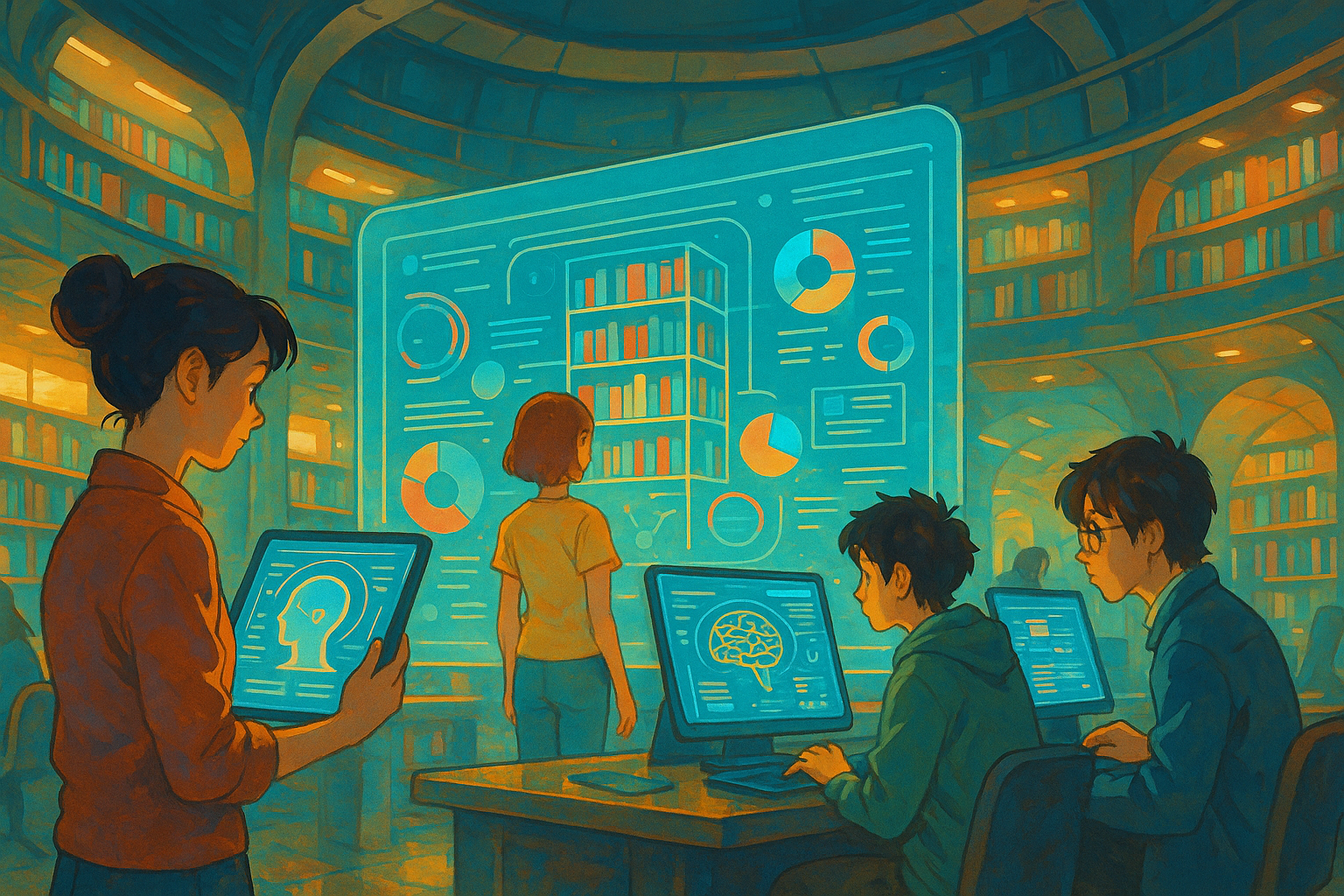
AI-Generated Images: Technical Principles, Mainstream Tools, and Application Prospects – What You Need to Know!
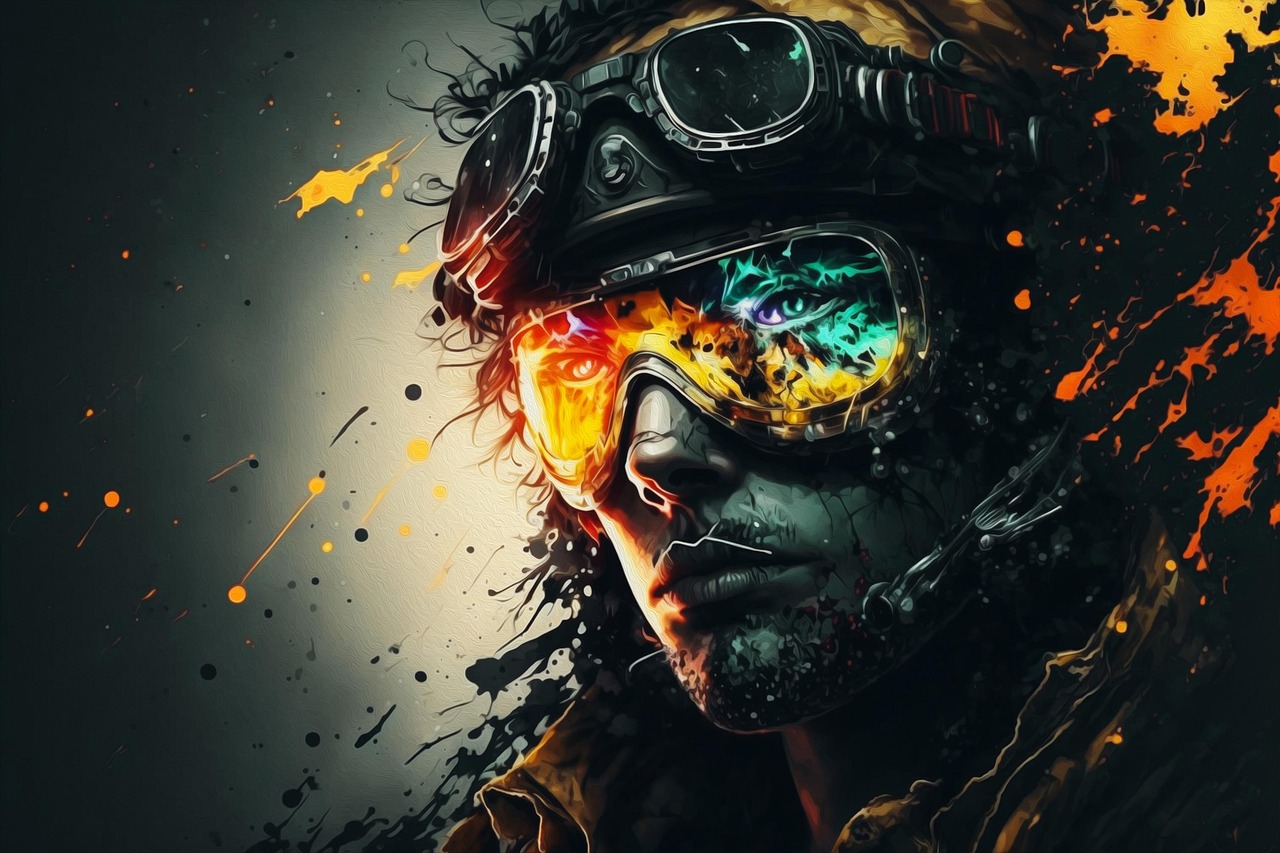
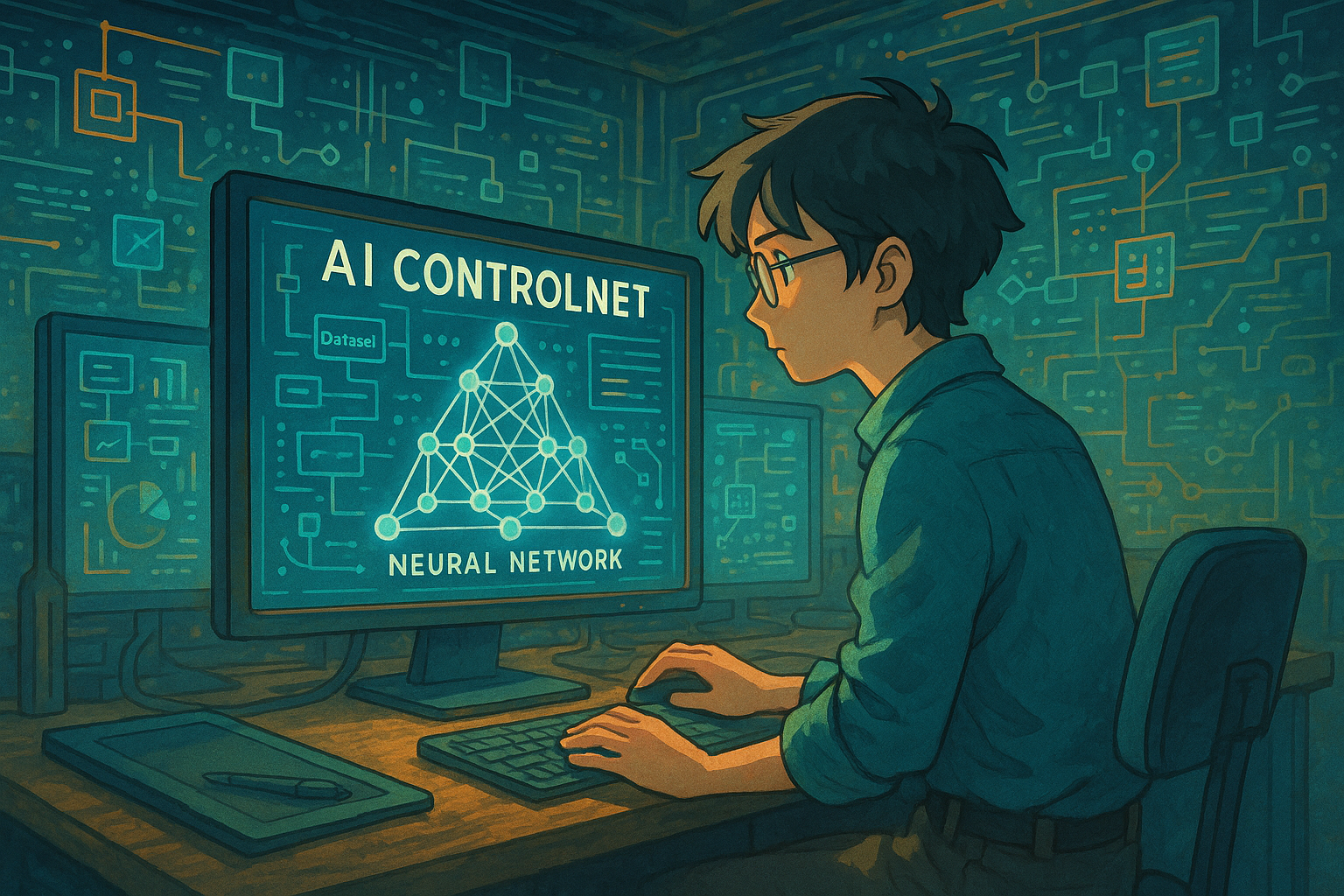
With the rapid development of artificial intelligence technology, AI-generated images have become an important part of the digital creation field. From artistic creation to advertising design, from game development to medical image processing,AI-generated imagesTechnology is permeating all industries at an unprecedented speed and breadth. This article will delve into the core technological principles, mainstream tools, practical applications, and future development trends of AI-generated images.
I. Core Technical Principles of AI-Generated Images
1.1 Generative Adversarial Networks (GANs)
Generative Adversarial Networks (GANs) are a deep learning model proposed by Ian Goodfellow et al. in 2014. The core idea is to train two neural networks—a generator and a discriminator—in an adversarial manner. The generator continuously learns to generate realistic images, while the discriminator continuously improves its ability to distinguish between real and fake images, ultimately enabling the generator to produce high-quality images.
1.2 Diffusion Models
Diffusion models are image generation methods that generate images through progressive denoising. The basic process starts with a purely noisy image, gradually removes noise, and ultimately produces a clear image. Compared to GANs, diffusion models outperform GANs in terms of image quality and stability, and have been widely used in AI-generated image processing in recent years.
1.3 Text-to-Image Generation
Text-to-image generation technology combines natural language processing and computer vision, enabling computers to understand textual descriptions and generate corresponding images. This technology is typically based on large pre-trained models, such as GPT-3 and CLIP, which can process complex textual descriptions and generate semantically accurate images.
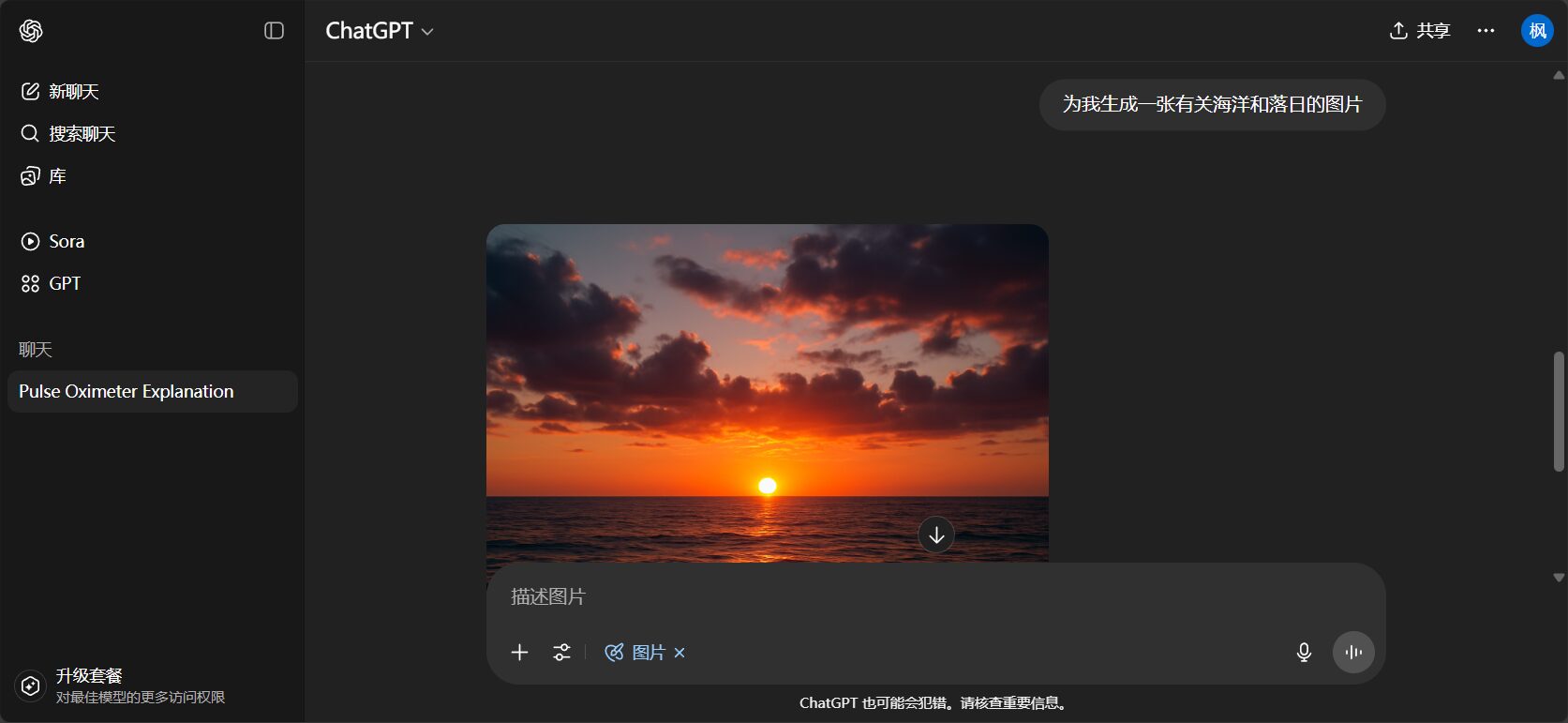
II. Mainstream AI Image Generation Tools
2.1 DALL·E
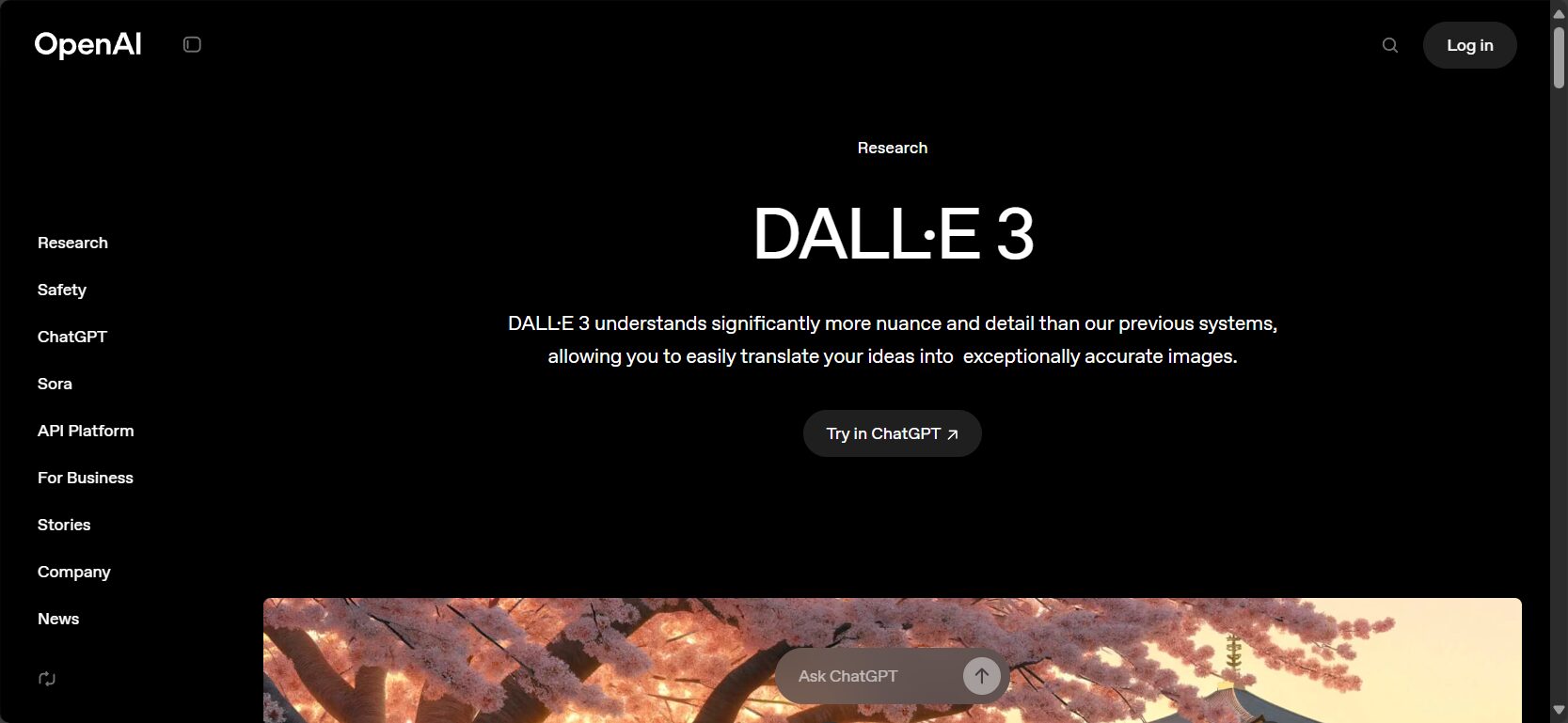
DALL·E is a text-to-image generation model developed by OpenAI, capable of generating high-quality images based on natural language descriptions. Its core technology is based on the GPT-3 model, which can understand complex text descriptions and generate corresponding images. DALL·E has wide applications in fields such as artistic creation and advertising design.
2.2 Stable Diffusion
Stable Diffusion is a text-to-image generation model based on a diffusion model, characterized by high quality and stability. Its source code and model weights are publicly available, allowing users to deploy and use it locally. Stable Diffusion has wide applications in fields such as artistic creation and game development.
2.3 Midjourney
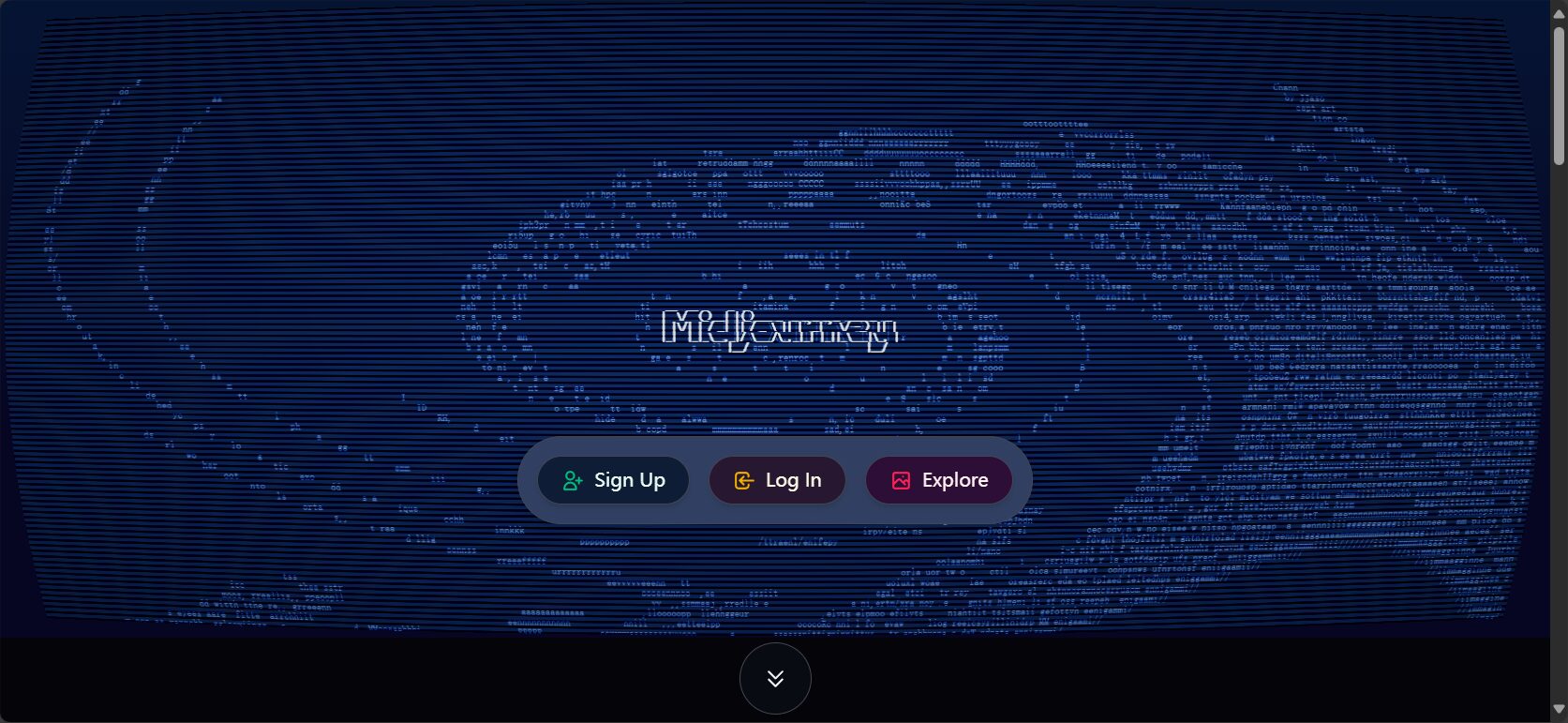
Midjourney is an AI image tool focused on generating artistic styles, designed to help users create images with unique artistic flair. Users can generate distinctive artworks by inputting different keywords and descriptions. Midjourney has gained widespread attention in the fields of art creation and design.
2.4 Adobe Firefly
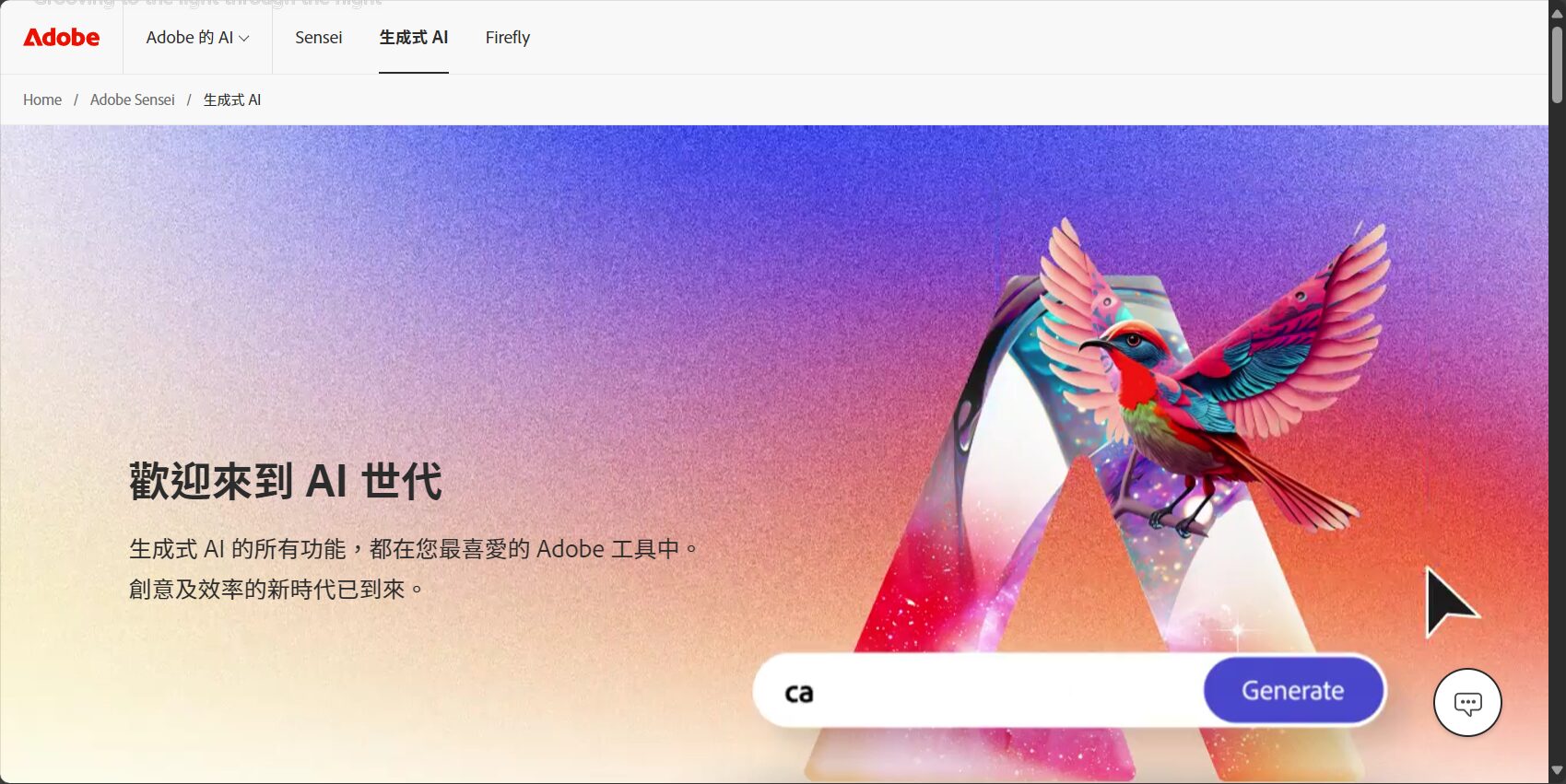
Adobe Firefly is an AI-powered image generation tool developed by Adobe and integrated into Adobe Creative Cloud. Its core technology is based on Adobe's Sensei platform, enabling it to generate various design images tailored to user needs. Adobe Firefly is widely used in advertising design, image editing, and other fields.
III. Practical Applications of AI-Generated Images
3.1 Artistic Creation
AI-generated image technology has provided artists with new creative tools. Through AI-generated images, artists can quickly gain inspiration and create unprecedented works of art. Technologies such as GANs, VAEs, and NSTs have been widely applied in digital art creation, greatly expanding the expressive power of artists.
3.2 Medical Image Processing
In the medical field, AI-generated image technology is used to generate high-quality medical images, such as MRI and CT scans. This not only improves diagnostic accuracy but can also be used for data augmentation, helping to train more precise medical image analysis models.
3.3 Games and Virtual Reality
In the fields of gaming and virtual reality, AI-generated image technology can be used to create realistic game scenes and virtual environments. Through text-to-image generation technology, developers can quickly create scenes that fit the game's plot, greatly improving development efficiency.
3.4 Advertising and Marketing
In advertising design and marketing, AI-generated image technology can help designers quickly create advertising images that meet client needs. Through technologies such as GANs, high-quality, highly creative advertising materials can be generated, improving advertising effectiveness.

IV. Future Development Trends of AI-Generated Images
4.1 Multimodal Generation
Future generative models will not be limited to images but will also involve the generation of multiple modalities such as audio and video. Through multimodal generation technology, richer and more realistic virtual content can be generated and applied to fields such as film production and virtual reality.
4.2 Human-computer collaborative creation
With the development of generative technology, human-computer collaborative creation will become a new creative approach. Through interaction with AI, artists and designers can realize their ideas more quickly and create more unique works.
4.3 Popularization of Generative Models
As generative technologies mature, generative models will become more widespread, allowing ordinary users to generate high-quality images through simple interfaces. This will greatly promote the development of the creative industries and lower the barrier to creation.
V. Challenges and Solutions for AI-Generated Images
5.1 Data Quality and Quantity
High-quality generative models require a large amount of high-quality data for training. To address the problem of insufficient data, data augmentation techniques such as image flipping, rotation, and cropping can be used. Transfer learning can also be leveraged to acquire knowledge from data in other related fields.
5.2 Model Complexity and Computational Resources
Training high-quality generative models requires significant computational resources, especially for complex models such as GANs. To address this issue, distributed and parallel computing techniques can be employed, utilizing multiple GPUs and cloud computing platforms to improve training efficiency.
5.3 Model Stability
The training process of generative models is often unstable and prone to problems such as mode collapse. To address this issue, improved training algorithms, such as WGAN and LSGAN, can be employed, while regularization techniques and optimization strategies can also be introduced to enhance model stability.
In this era brimming with creativity and technology, AI-generated image technology is permeating all industries at an unprecedented speed and breadth. Whether in artistic creation, advertising design, game development, or medical image processing, AI-generated image technology is continuously driving innovation and development in various fields. With the continuous advancement of technology and the expansion of application scenarios, the future of AI-generated image technology is full of limitless possibilities.
© Copyright notes
The copyright of the article belongs to the author, please do not reprint without permission.
Related posts


No comments...
