Comprehensive analysis of litmap tools: How can researchers efficiently map documents?
As a new generation of literature visualization assistance, litmap brings researchers a new experience of efficient literature collation and knowledge exploration with AI-driven automated document map generation function, accurate literature recommendation engine and team collaboration support. This paper comprehensively analyzes the highlights of litmap, application techniques and similar tools, helps scholars accurately construct custom academic knowledge maps, and greatly improves the efficiency of scientific research and achievement display.
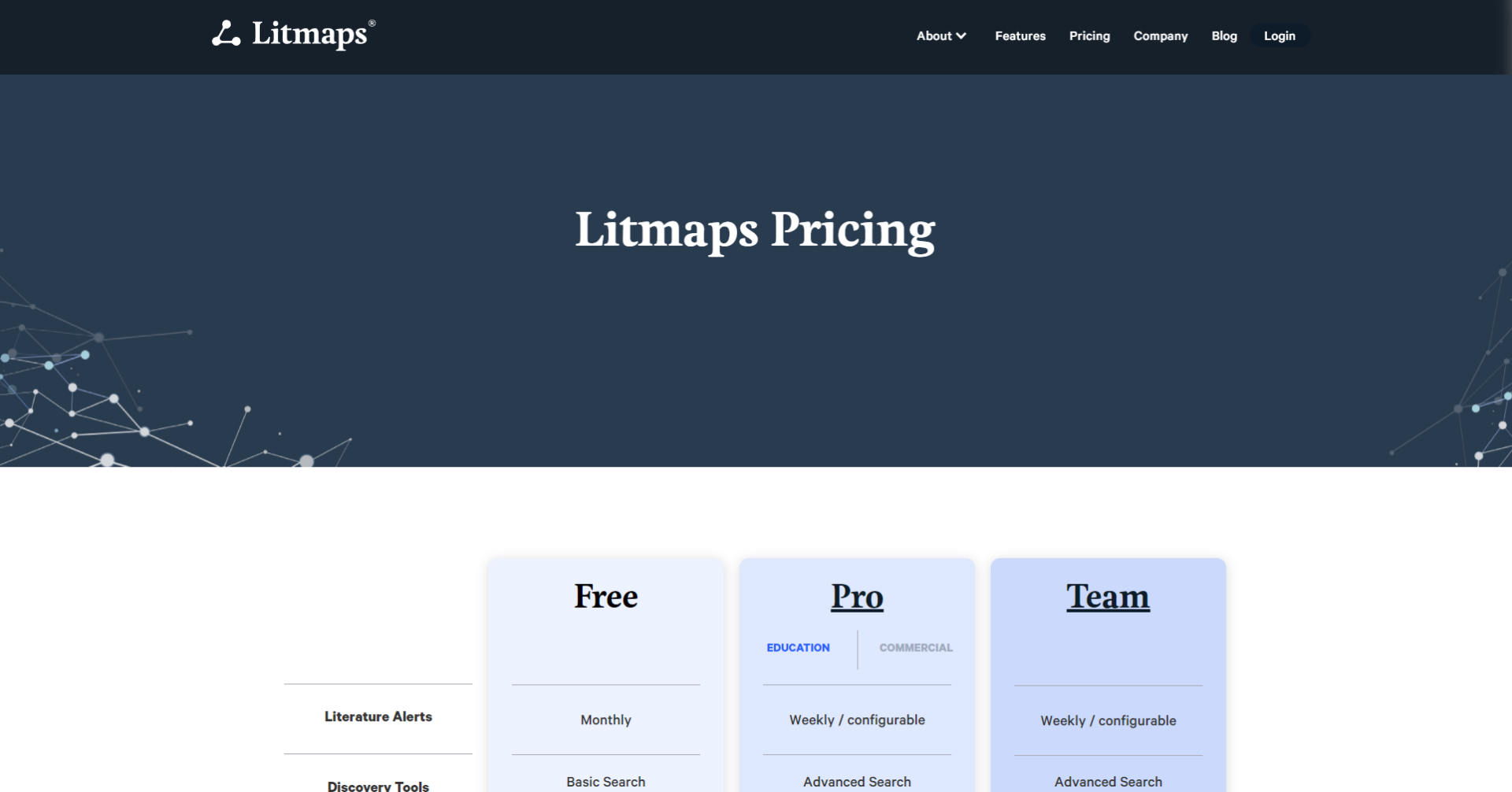
Litmap tool highlights and application status
Since its inception, litmap has focused on providing one-stop document network visualization and intelligent management solutions for academic researchers, master’s and doctoral students, and scientific research teams.Its greatest value lies in transforming the traditional manual literature combing process into interactive and intuitive data maps, which greatly saves scientific research time and resources.
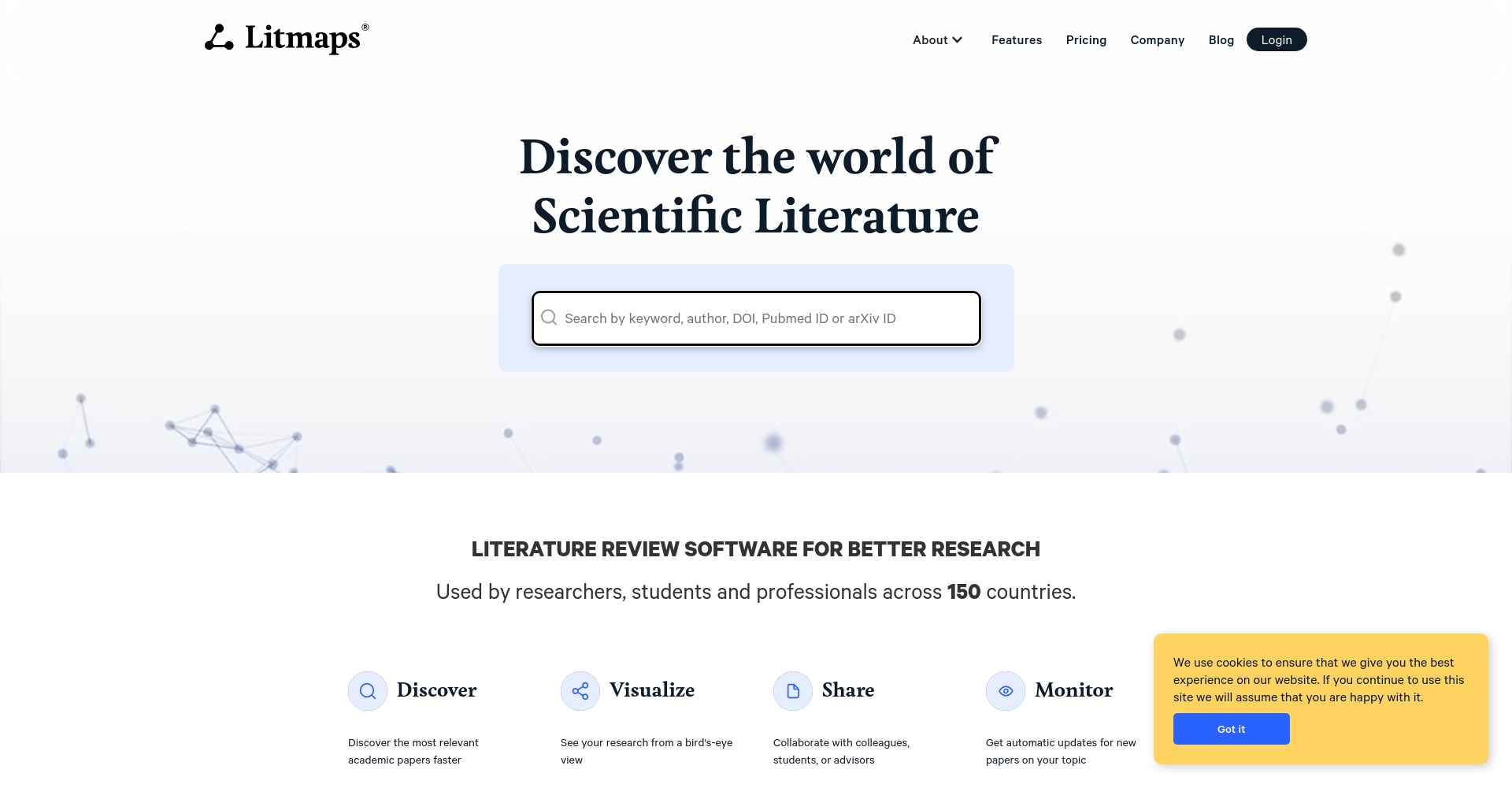
Main application scenarios:
- Analysis of the current situation of scientific research
- Project Topic/Literature Review
- Classic context tracking of academic achievements
- Team collaborative knowledge sorting
- Support for dissertation writing
The interactive literature network map allows scholars to quickly gain insight into the development of disciplines, citation relationships, and theme evolution, and is an essential tool for efficient knowledge sorting in the information age.
The core functions of litmap are fully revealed
Document maps are automatically generated
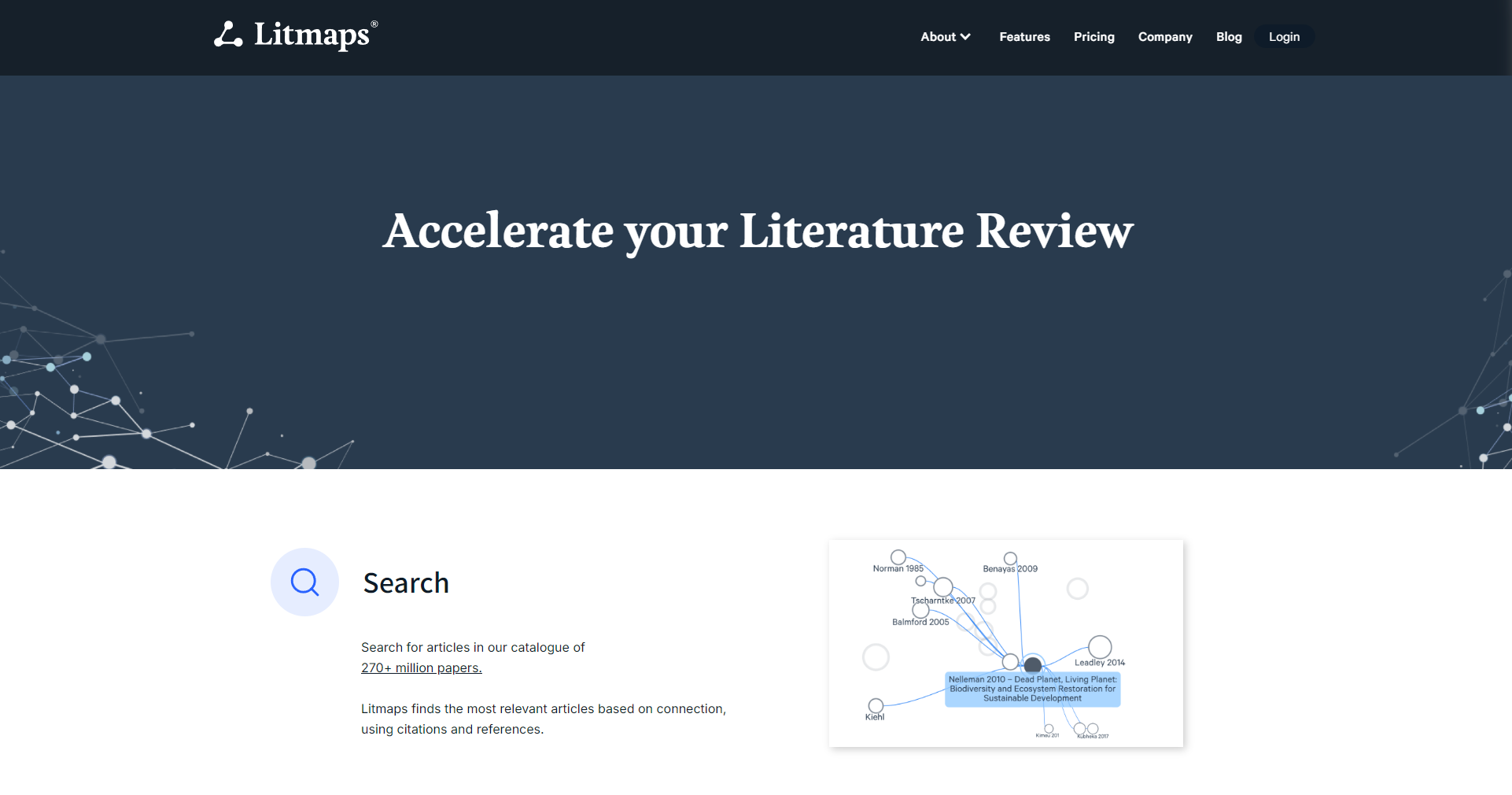
LitMap’s “Automatically Generate Document Maps” feature is particularly prominent. Users only need to enter keywords or seed papers, and the system can generate a literature association network within the discipline with one click, and the whole process is visualized, which is convenient for researchers to grasp the internal structure and citation context of the topic.

| Functional attributes | Standard version | Premium version |
|---|---|---|
| Automatic retrieval | In the tank | In the tank |
| Literature association recommendation | In the tank | Support, recommendation is more refined |
| Visual editing | Underlying node drag | Advanced layering/rule editing |
| Add new documents with one click | In the tank | Yes, API access is better |
| Export images/PDFs | There is a watermark | Watermark/custom styles are removable |
Intelligent literature recommendation engine
litmap integrates big data and machine learning to push new and highly relevant literature to ensure that knowledge is constantly updated.
Document network visualization operation
- Node editing: Support dragging, tagging, and coloring to build a personalized knowledge map
- Cluster Clustering: Automatically aggregate highly relevant papers for easy topic disassembly and induction
- Two-way link: You can not only check back classic literature, but also track cutting-edge trends
Collaborate and share with team applications
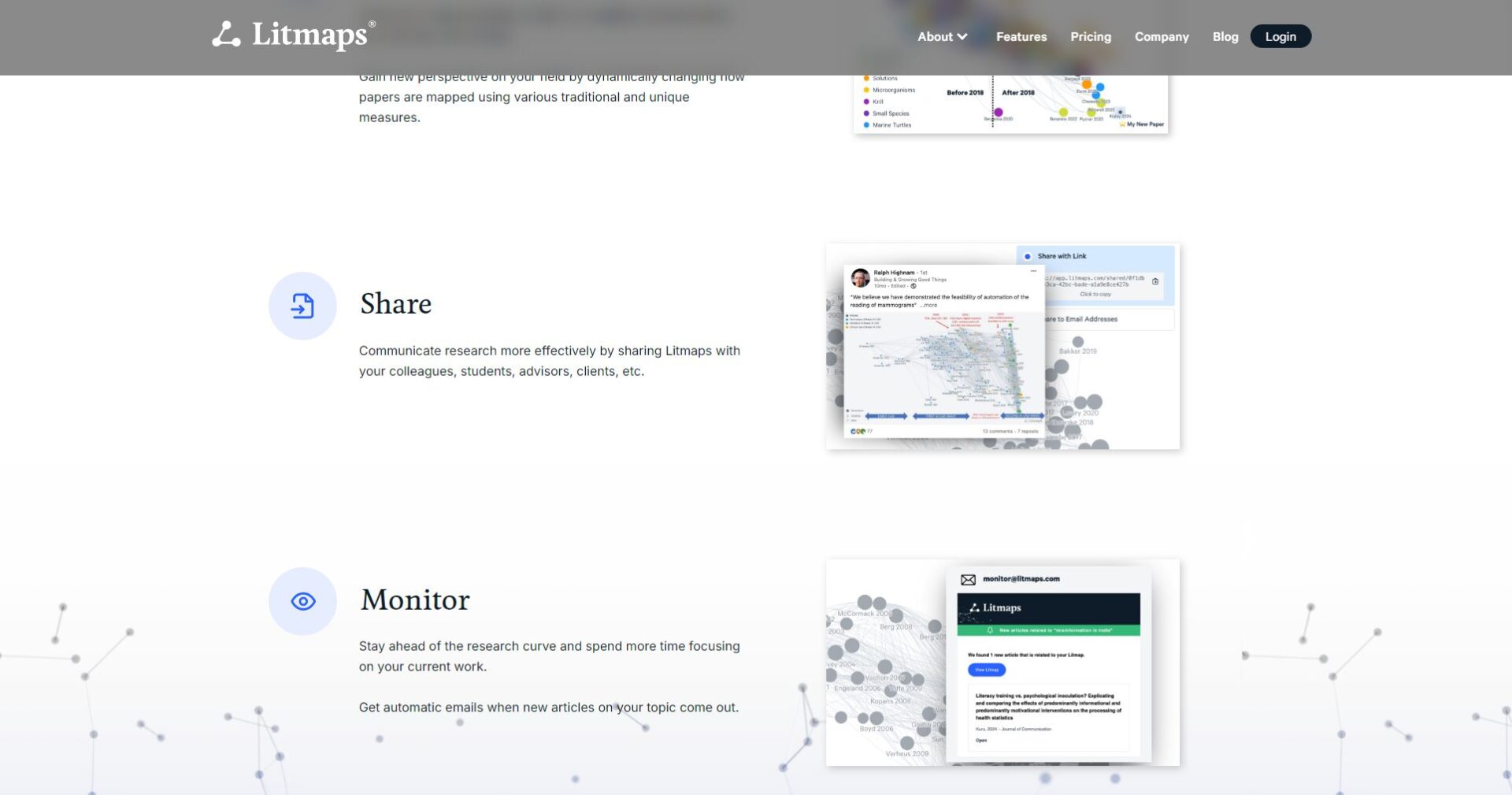
It supports multi-person online collaboration and comment annotation, which greatly improves the efficiency of team knowledge management
One-click export and report generation
litmap can export the document map as PDF, picture or PPT with one click, which is convenient for academic reports and submission of achievements.
Practical operation: How can researchers use litmap to improve efficiency?
Get started quickly
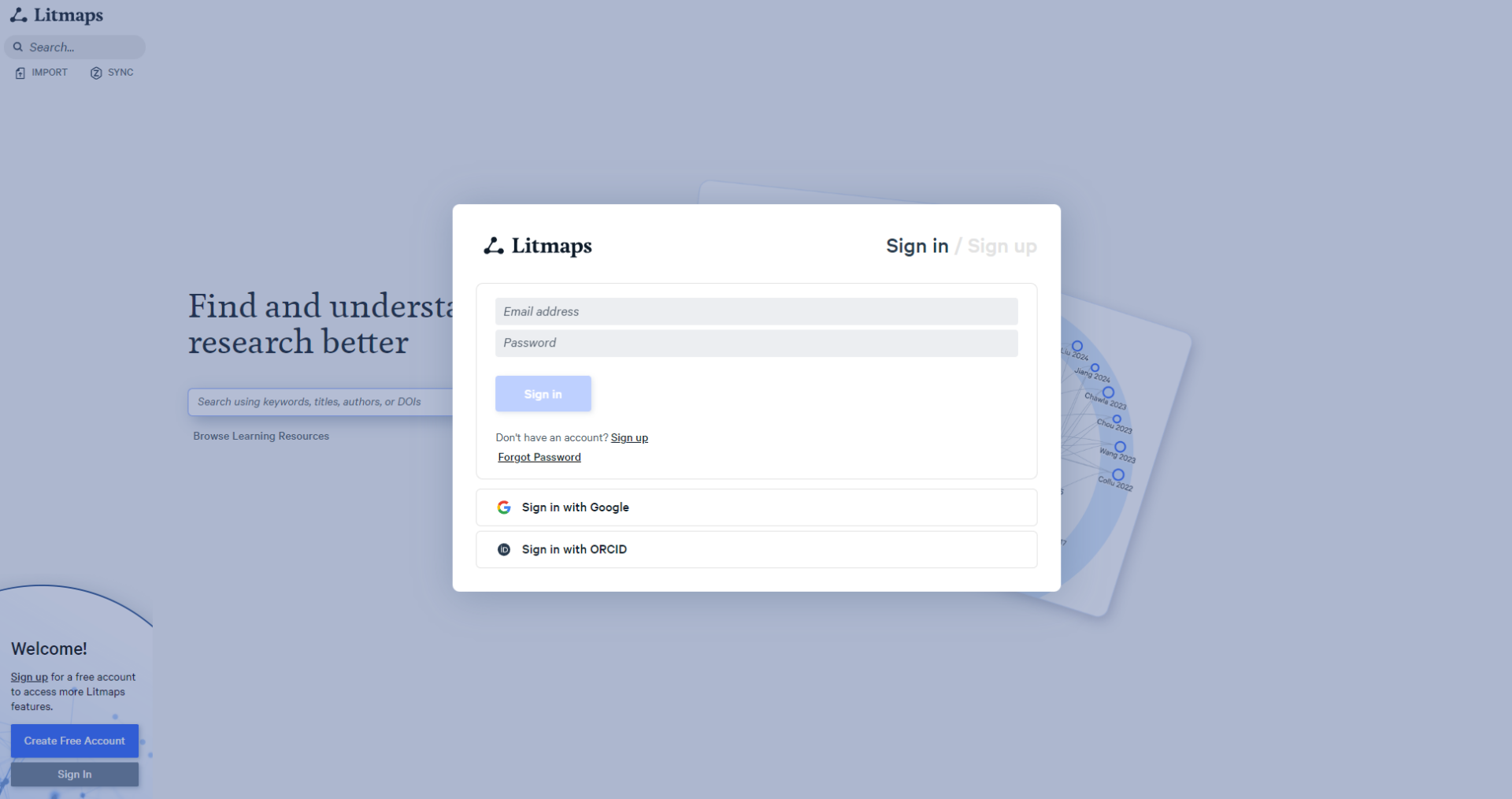
- Register and log in to the official website
- Enter a seed document or topic keyword
- Automatically generate visual document maps
- Manually adjust and edit nodes to focus on key points
- Clustering and grouping to clarify the research context
- Collaborate and comment with team members
- Export the outcome data
Academic Improvement Skills
- Clustering and hierarchical management: Large systems are disassembled into multiple sub-themes to effectively deal with complex structures
- Automatic update push: Subscribe to the latest literature in the discipline and stay away from knowledge obsolescence
- Cross-field exploration: Expand cross-border innovation according to the literature network
- Synchronous backup in the cloud: security guarantee, worry-free multi-platform collaboration
Mainstream user experience record
According to feedback from Peking University, Fudan University and other teams, litmap has become the “standard” for paper opening and literature review, with an increase of more than 30% in efficiency and a significant reduction in the rate of citation errors and omissions.
| User groups | Application scenarios | Actual benefits |
|---|---|---|
| Master’s and doctoral students | Project Topic/Literature Review | Fill in the knowledge gap and sort out the core literature |
| Scientific research team | Collective discussion/summary of results | Cross-departmental collaboration is orderly and rapid division of labor is marked |
| Librarian | Recommendation/subject information visualization | The accuracy of services has been improved, and the influence has been enhanced |
LitMap pros and cons compared to similar tools
Summary of advantages
- Literature combing is efficient and accurate
- The map-based interface is easy to understand the discipline structure
- Automatic updates prevent information lag
- Teams work together in sync across large projects
What is lacking?
- Newbies need to adapt to the learning curve
- Some premium features are available for a fee
- Dependent on the network, offline is restricted
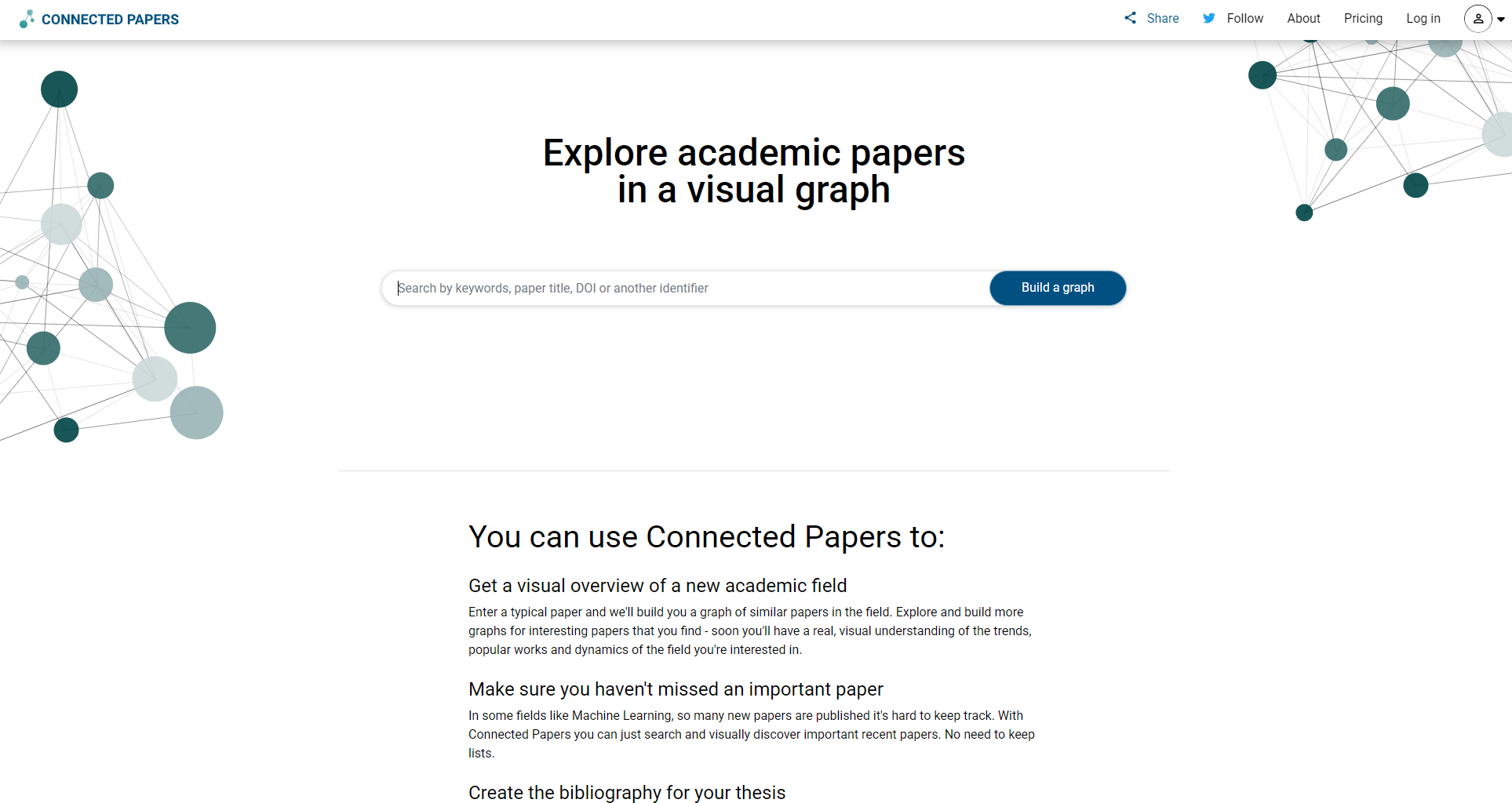
Comparison of mainstream literature map tools
| tool | visualization | Smart recommendations | Team collaboration | Free version | Premium paid features |
|---|---|---|---|---|---|
| litmap | excellent | excellent | excellent | Basic version | Unlimited collaboration/API |
| Connected Papers | excellent | So so | So so | Yes | Starting point analysis |
| ResearchRabbit | excellent | So so | excellent | Yes | Complex network exploration |
| VOSviewer | excellent | not | few | Fully functional | not |
| Inciteful | So so | excellent | few | Yes | – |
(Tool name can be clicked: Litmaps official website | Connected Papers | ResearchRabbit|VOSviewer|Inciteful)
litmap is suitable for scientific research groups and application suggestions
Who is it for?
- Master’s and doctoral students, young scholars: project opening/literature review
- Research team, laboratory: paper discussion/summary of results
- Librarian of data management and library disciplines
- Management/strategy departments that want to efficiently sort out science disciplines and do knowledge planning
How to fit into an individual academic workflow?
It is recommended that researchers include litmap in the whole process of “theme exploration, literature search, and achievement display”. For each new direction, litmap is used to draw the overall picture of the discipline, and gradually and accurately supplement the case literature or hot spot tracking; When team discussions or results reports, use maps to reinforce logical persuasiveness. Combined with the automatic information push function of litmap, the knowledge system is synchronized and optimized for a long time, and time-saving, efficient, no omissions, and cross-domain innovation is realized.
In the era of knowledge explosion and the acceleration of interdisciplinary integration, grasping intelligent literature visualization tools such as litmap will become the key to improving the competitiveness and academic influence of scientific researchers. In the future, with the upgrading of AI text semantic analysis and data mining, litmap will not only be an intelligent assistant, but also play a core role driven by innovation.
© Copyright notes
The copyright of the article belongs to the author, please do not reprint without permission.
Related posts

No comments...