What are GNNs (Graphical Neural Networks)? This article will give you a quick overview of the applications and advantages of GNNs in the field of AI.
Graph Neural Networks (GNNs) have become the latest technological focus in the field of AI.Its unique data structure processing capabilities break through the limitations of traditional neural networks.Facilitating upgrades across multiple industries, including recommendation systems, social network analytics, knowledge graphs, and life sciences.This article focuses on the core principles, mainstream models, typical application scenarios, and development tools of GNNs, analyzing why GNNs can solve the bottleneck of "connected intelligence" in AI, and providing practical implementation suggestions.
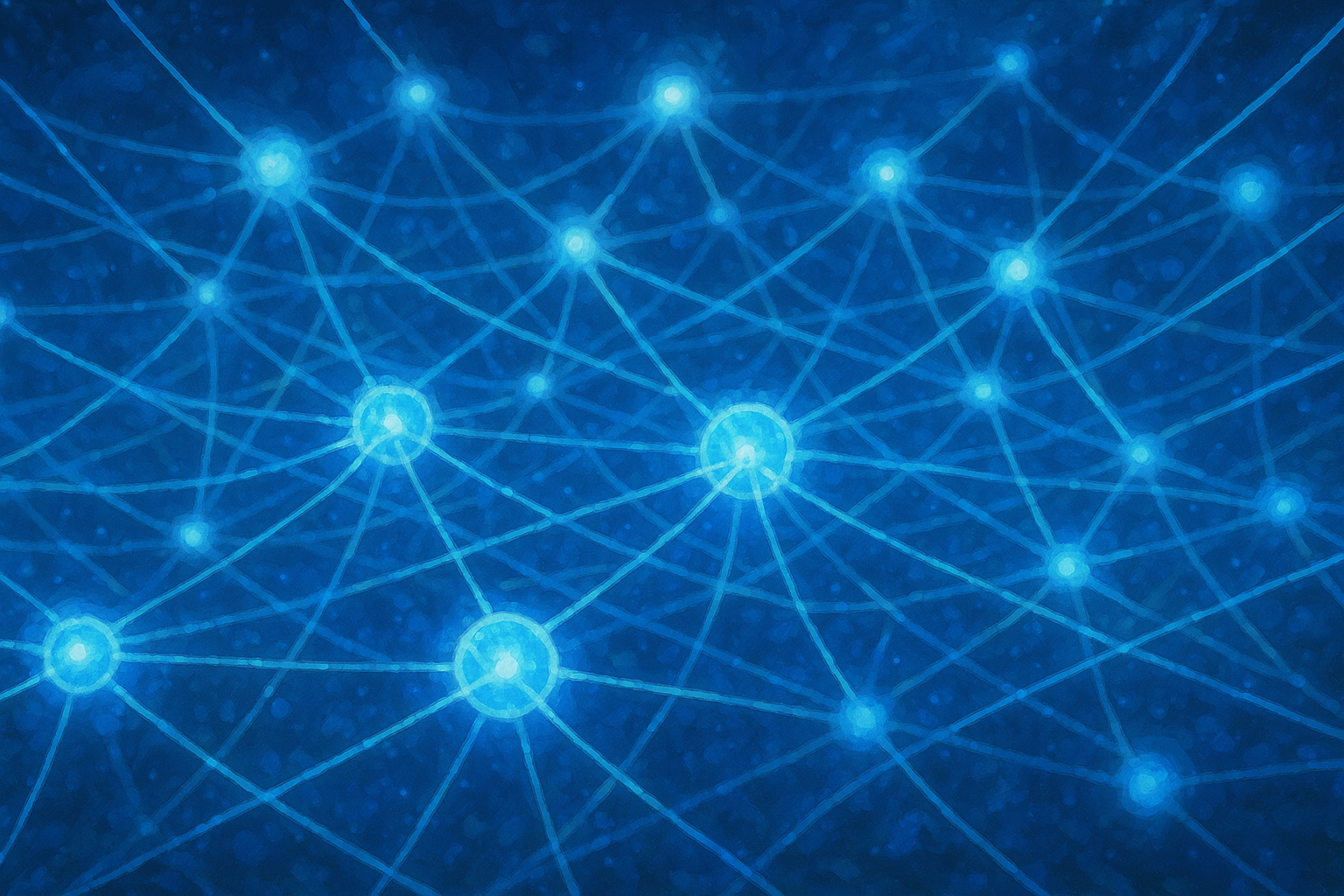
What is GNN (Graph Neural Network)?
GNNIt is a type of neural network specifically designed for graph-structured data. Unlike traditional neural networks such as CNNs and RNNs, which can only process regular structures (such as images and sequences),GNNs can efficiently model complex "non-Euclidean" data such as social networks, molecular structures, and knowledge graphs.。
Core PrinciplesIt involves exchanging and aggregating the features of each node and its neighbors through "message passing" to ultimately obtain an embedded representation of each node, subgraph, or the whole graph.
| Neural Network Types | Supported data formats | Typical scenarios | Can graph structures be processed? |
|---|---|---|---|
| CNN | Multidimensional tensor | Image recognition and detection | 否 |
| RNN | Sequence data | Speech and text modeling | 否 |
| GNN | Graph (nodes + edges) | Social interaction, recommendation system, protein structure | 是 |
GNN was developed in response to the increased computing power and data growth in AI, and its initial prototype was proposed in 2005.Since its launch in 2017, GCN has entered a period of rapid development.Various structures (GAT, GraphSAGE, etc.) enrich the ability to model the real world.
Main Types and Technical Approaches of GNNs
- GCN (Graph Convolutional Network)Suitable for social and academic graph associations.
- GraphSAGELarge-scale graph parallel sampling.
- GAT (Graph Attention Network)Heterogeneous information aggregation.
- ChebNetFlexible signal processing.
- GGNN/GAESequence prediction, molecular recommendation.
The standard process comprises four main steps:Graph modeling, feature initialization, message passing, task outputGNNs have outstanding advantages such as adapting to irregular structures, capturing high-order relationships, end-to-end training, and strong interpretability.


Application scenarios of GNN in the AI industry
- AI Recommendation SystemImprove the cold start of user-item-behavior interaction and the relevance of new products (such as Taobao and Facebook).
- Social network analysisDiscover relationship chains and detect fake accounts (such as Weibo and Facebook).
- Knowledge graphs and intelligent question answering: To promote deep reasoning in medicine, law, and highly intelligent question answering.
- Life sciences and drug developmentSupports protein structure prediction and new drug discovery (such as DeepMind AlphaFold).
- Transportation Network and Decision Making: Assisting intelligent transportation and autonomous driving path planning (such as Tesla and Baidu Apollo).
Representative GNN tools:
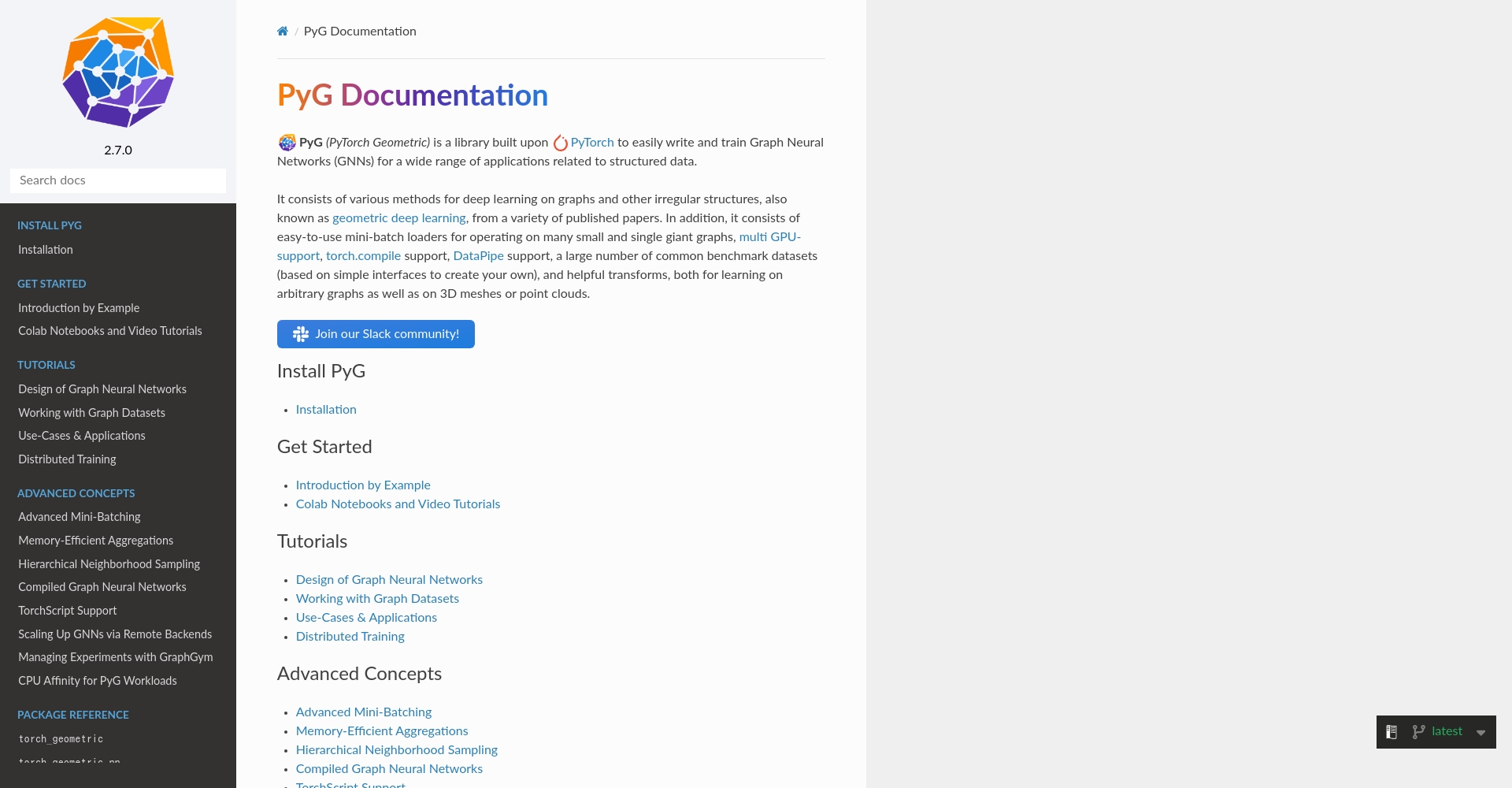
- PyTorch GeometricEfficient integration with PyTorch, and a concise API.
- DGLSupports large-scale distributed and heterogeneous graphs.
- TensorFlow GNN: Native Keras integration.
- OpenAI GraphMLOpen source research combined.
- Neo4j GDSEnterprise-level graph database analysis.
Analysis of the technical advantages of GNN
- The model is "associative intelligence".“It can provide a deep understanding of the complex internal workings of data.
- Cold start and sparsity overcoming: Self-discover the relationships between users/items.
- Weighted adaptive learningAutomatically recognizes "who is most important to you".
- Adapting to heterogeneous and dynamic scenariosSupports complex structural distributions of multiple types of nodes/edges.
- Highly interpretableThe tracking of node information flow is more intuitive.

Recommended mainstream GNN tool platforms
- PyTorch Geometric, DGL, TensorFlow GNN: The most popular deep learning GNN development library.
- Alibaba Cloud PAI, AWS SageMaker, Google Vertex AICloud-based GNN service, supporting distributed training.
- Neo4jIt can realize visual relationship modeling and graph data preprocessing.
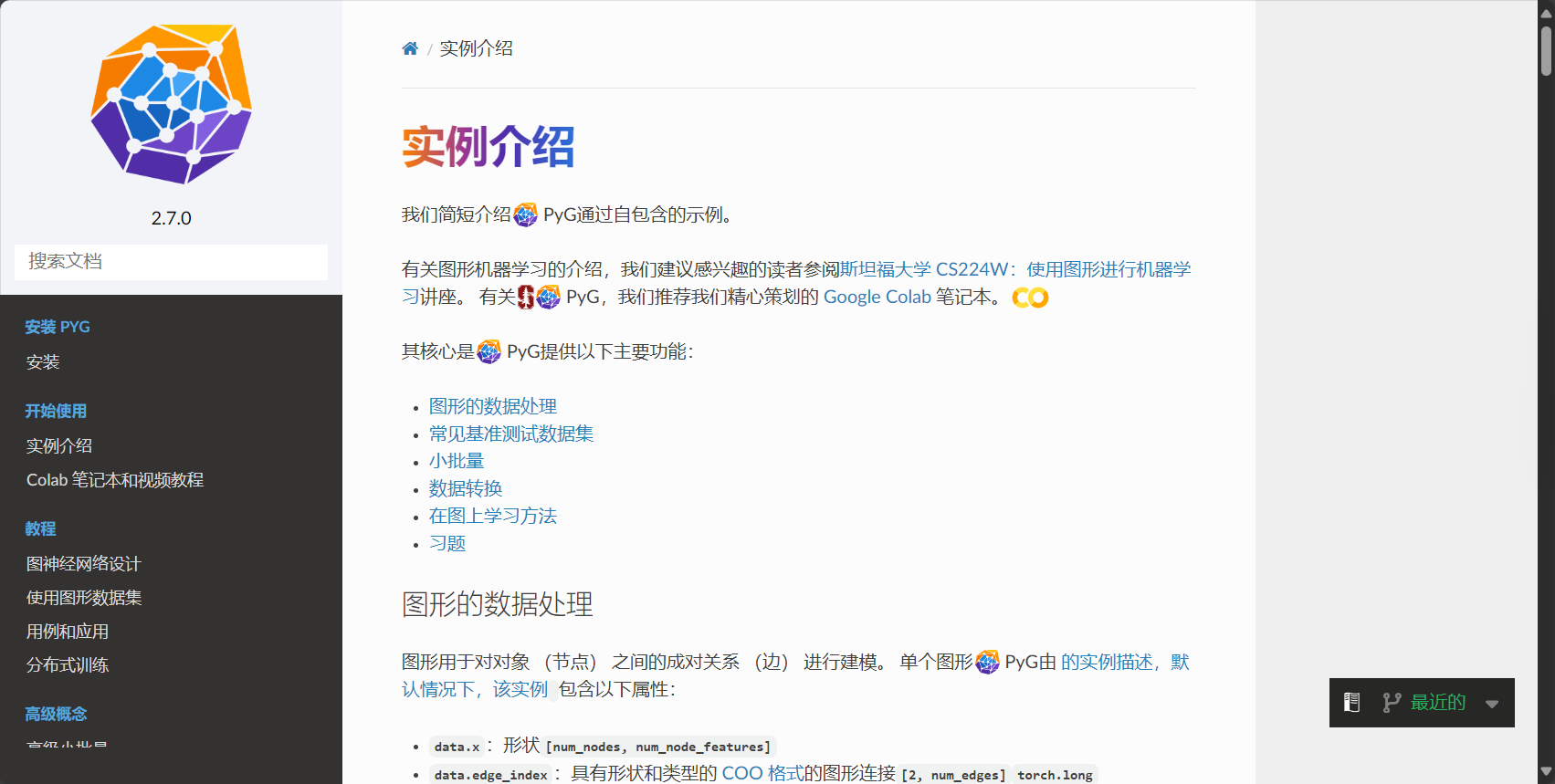
For beginners, it is recommended to refer to the following: PyG Official Tutorial Get a quick hands-on experience with GNN.
Application scenarios and suggestions for GNN
- When there are complex network relationships/dependency chains within the dataGNN should be given priority.
- It is recommended to first organize the original data relationships using a graph database (such as Neo4j), and then use GNN for task modeling.
- Big data scenarios focus on platform scalability and distributed requirements.
- To emphasize the interpretability of decisions, optional GNN visualization tools can be used.
GNN Challenges and Cutting-Edge Technologies
- Giant Graph Computation Scalability and Distributed StorageStill needs improvement.
- Efficient aggregation of heterogeneous multi-type edge featuresIt is a hot research topic.
- Improved interpretabilityDeep, multi-step message tracing remains challenging.
- Emerging technologies such as "Dynamic Graph GNN", "Self-Supervised Learning", "Graph Generation Model (GNN+GAN)" and "AutoGNN" are developing rapidly.
More industry case studies are available for reference. Google GNN Special Report。
Conclusion:As the complexity of data and scenarios increases,GNN has become a core underlying capability for the upgrading of the AI industry.It has been widely applied in fields such as recommendation systems, life sciences, and smart cities. Beginners can quickly get started with PyTorch Geometric and the DGL open-source library and seize new opportunities for the future development of AI.
© Copyright notes
The copyright of the article belongs to the author, please do not reprint without permission.
Related posts


No comments...