
What is Artificial Intelligence? A 5-minute overview of AI's core applications and future prospects.
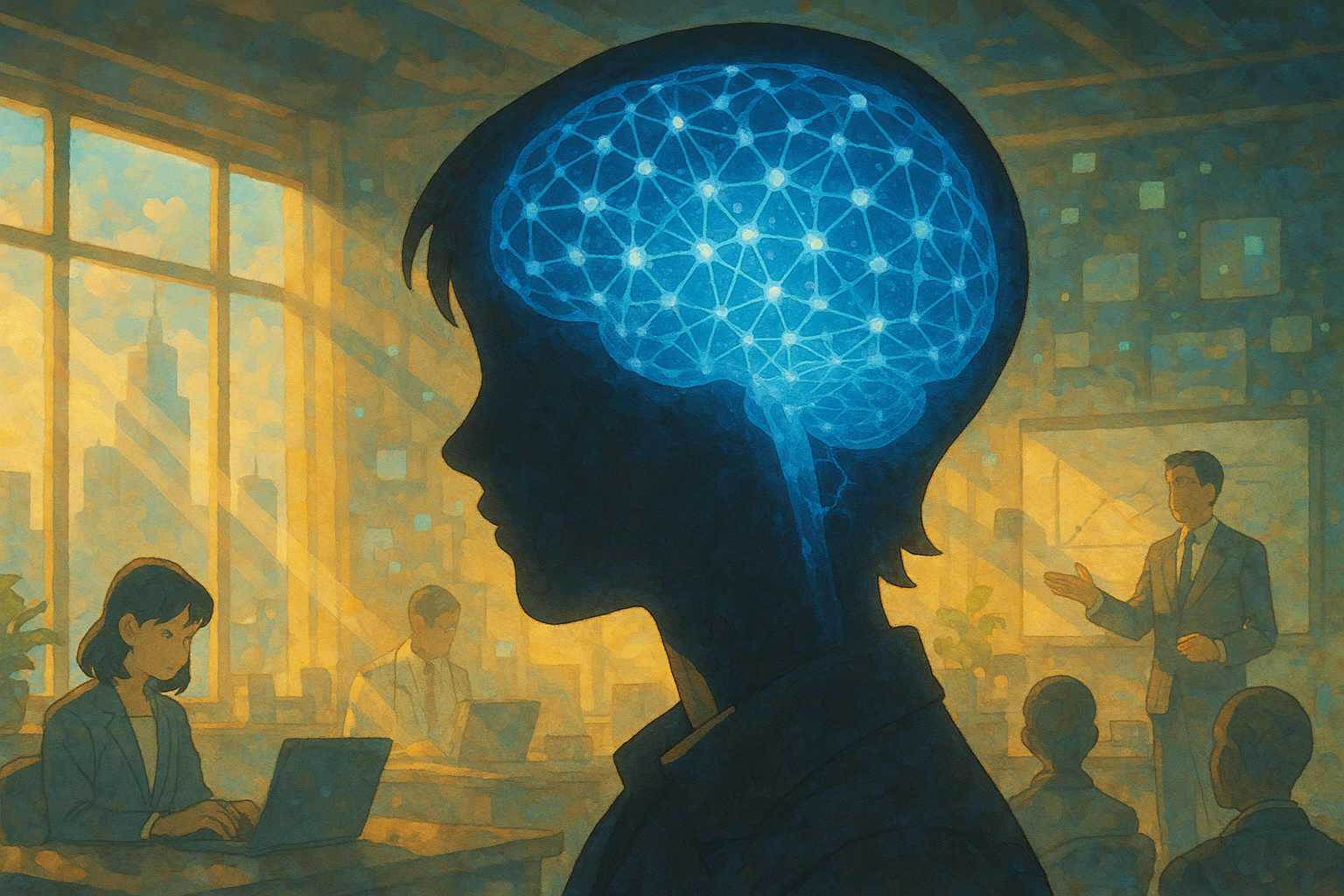
Artificial intelligence (AI)More than just a hot topic in technology, artificial intelligence is the core engine driving the transformation of the digital age. From autonomous driving and voice assistants to enterprise automation, artificial intelligence is profoundly changing our work and lives. This article will focus on...News reportThis course provides a comprehensive analysis of the definition, technical principles, common applications, and emerging trends in the development of artificial intelligence. It also includes tools, application examples, and key information tables, allowing you to quickly grasp the full picture of AI in just five minutes.
What is Artificial Intelligence? The Definition and History of AI
Definition of Artificial Intelligence
Artificial intelligenceArtificial Intelligence (AI) refers to endowing machines with "..."To simulate, extend, or even possess human intelligenceAI enables computers and systems to achieve [the following].Perceive, reason, learn, and make autonomous decisionsThis allows them to understand language, recognize images, process data, and even surpass human capabilities in complex tasks.
The core of AI lies inalgorithm與Data trainingBy learning and analyzing patterns through a large amount of data, it can accomplish behaviors that traditional programs cannot achieve.
The Development History of Artificial Intelligence
Artificial intelligence, as an interdisciplinary field, has been developing for over 70 years. Key milestones include:
- 1950sAllen Turing proposed the question of whether machines can think (the Turing Test), and the concept of AI was born.
- 1956The Dartmouth Conference established AI as a formal academic discipline.
- 1980s-2000sSignificant progress has been made in expert systems, machine learning, and deep learning.
- After 2010Deep learning and big data are driving an explosion in AI applications, while autonomous driving and speech recognition technologies are maturing.


How does artificial intelligence work? Core technologies and application principles.
A list of core technologies
| Technology Category | Representative concept | Application scenarios | Typical products |
|---|---|---|---|
| Machine learning | The algorithm learns by feeding it with data. | Data prediction and classification | Vertex AI |
| Deep learning | Multi-layered neural networks make complex decisions | Image/speech recognition and translation | TensorFlow |
| Natural Language Processing (NLP) | Enable machines to understand/generate languages | Intelligent customer service, machine translation | Dialogflow |
| Computer Vision | Enable machines to recognize photos and video information | Unmanned stores, medical imaging | Vision AI |
| Speech recognition | Speech-to-text, speech commands | Voice assistant, meeting minutes | Speech-to-Text |
| Generative AI | Automatically generate text/images based on prompts. | Content production, AI drawing | Gemini |
The core of AI operation
How AI Systems WorkIt generally includes three steps:
- Data InputData (text, images, voice, etc.) enters the AI algorithm.
- Model training and inferenceThe model learns patterns through extensive training with a large number of samples and is then used for prediction/decision making.
- Result outputOutput classification results, speech recognition, and text translation.
Three major AI classification and technology models
Artificial Intelligence in a Narrow Scope (ANI)
Artificial Narrow IntelligenceAlso known as "weak AI," it refers to artificial intelligence that can only perform specific tasks. For example, voice assistants and recommendation systems are only excellent in specific areas (such as image recognition).
All commercial AI products currently fall into this category.
General Artificial Intelligence (AGI)
Artificial General IntelligenceThis refers to humanoid intelligence possessing cross-disciplinary learning, reasoning, and autonomous decision-making abilities, capable of handling diverse tasks flexibly like a human. Currently, it is still in the theoretical and forward-looking research stage.
Super Artificial Intelligence (ASI)
Artificial Super IntelligenceIt is an intelligent entity that surpasses humans, capable of surpassing humans in all fields (academics, creativity, emotions, etc.). Currently, there are no real-world examples of this; it exists only in science fiction.

Mainstream AI Application Areas and Representative Products
Relationship table: AI applications, industries and representative tools
| Industry/Field | Representative application | AI tools and products | Main value |
|---|---|---|---|
| finance | Risk management, fraud detection, and intelligent customer service | ChatGPT;Vertex AI | Reduce risk and improve efficiency |
| Medical | Image interpretation and diagnostic assistance | Vision AI;IBM Watson Health | Accurate judgment, cost-saving |
| Retail e-commerce | Intelligent recommendations and sales forecasts | Gemini;Dialogflow | Improve conversion rates and enhance customer experience. |
| Creative Production | Generative AI Image and Text Creation | DALL·E 3;Adobe Firefly | Lowering the production threshold and increasing productivity |
| manufacturing industry | Quality inspection and process optimization | Vision AI;Siemens MindSphere | Reduce losses and improve automation |
| Education and training | AI teaching assistants, personalized learning paths | Coursera AI Learning Buddy;Khanmigo | Promoting digital education and improving efficiency |
Introduction to Common AI Products
- ChatGPT
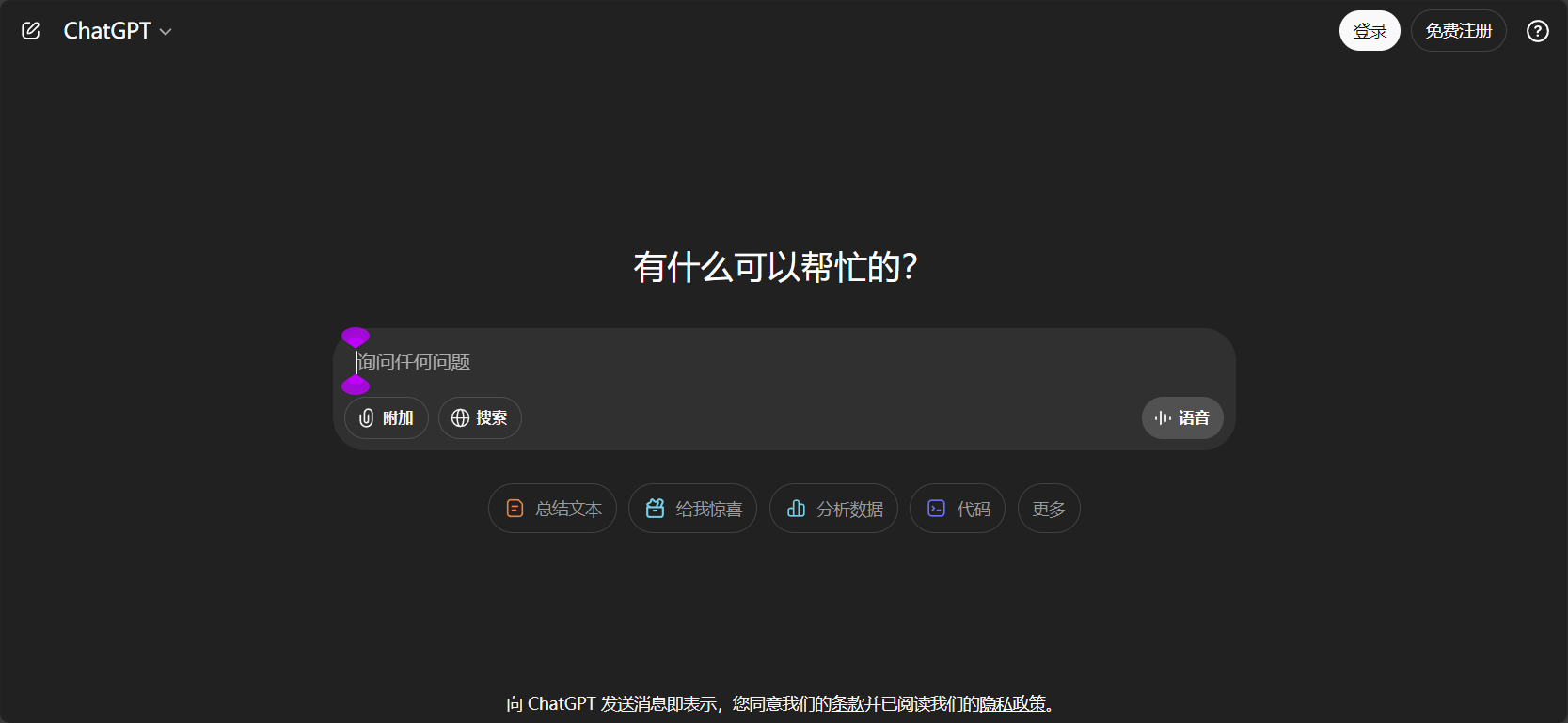
OpenAI, an American company, has launched a chat-generating AI that enables natural conversation, content generation, data retrieval, and enterprise automation.ChatGPT experience - Vertex AI
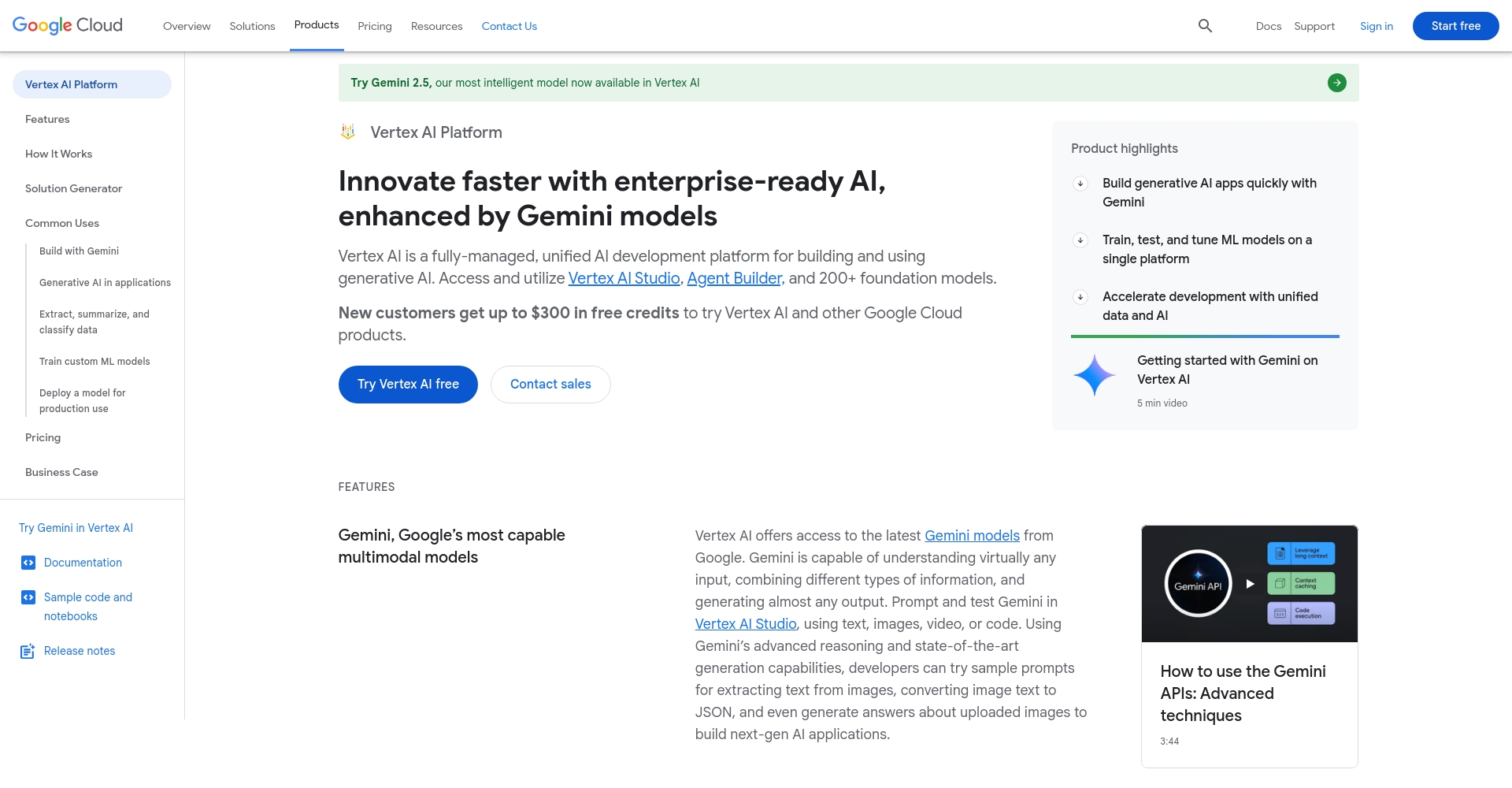
Google Cloud provides a comprehensive machine learning platform that supports model training, deployment, and real-time inference.Vertex AI official introduction - Gemini
Google's latest multimodal generative AI can not only process text, but also generate images, videos, code, and more.Gemini official website - Dialogflow
Google Cloud's conversational robot platform can quickly build enterprise virtual assistants and intelligent customer service.Getting Started with Dialogflow - TensorFlow
One of the world's most popular open-source deep learning frameworks, developed by Google, is suitable for tasks such as image, voice, and machine translation.TensorFlow official website
Real-world application cases of AI products
- Financial Risk Control: AI-Powered Automated Fraud Prevention
bank useVertex AIEstablish a supervised learning model to automatically identify suspicious transactions, reduce manual review costs, and improve detection accuracy. - Medical diagnosis: AI assists doctors in interpreting medical information.
如IBM Watson HealthBy combining knowledge bases with deep learning technology, it assists doctors in analyzing medical images and providing tumor diagnosis suggestions. - E-commerce recommendation: Data-driven marketing
JD.com, Amazon, and others utilize machine learning algorithms to recommend systems, combined with...Gemini/ChatGPTIntelligent customer service drives precision marketing and user growth. - Creative Industries: AI Content Production Capacity Explodes
Graphic designers combinedDALL·E 3和Adobe FireflyIt automatically generates themed illustrations or logo sketches in five seconds, significantly shortening the design cycle.
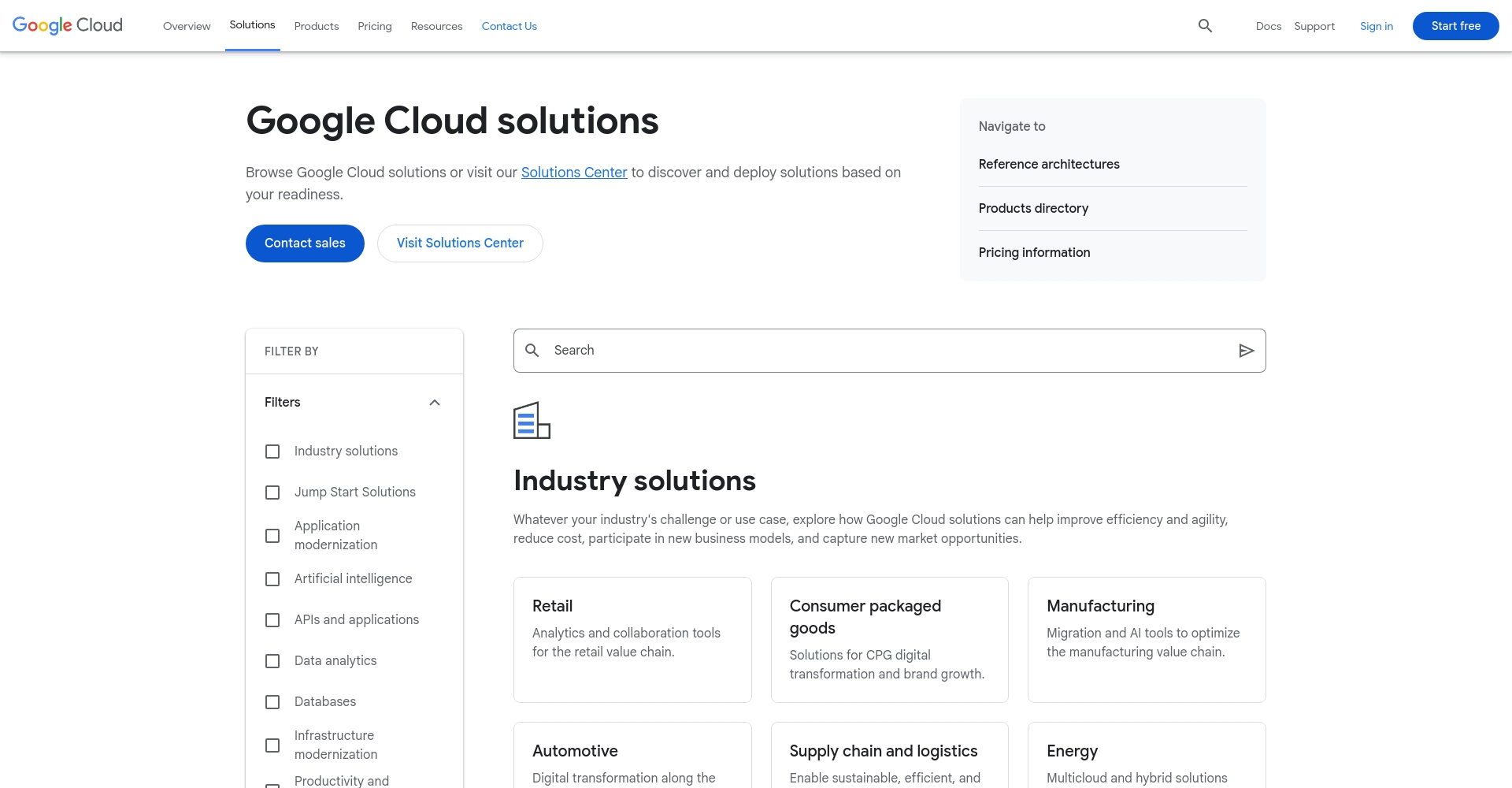
For more AI industry application case studies, please see:Google Cloud Industry Solutions
Advantages, risks, and future development trends of artificial intelligence
Five disruptive advantages brought by AI
- Improved automation efficiencyAutomatically executes repetitive and tedious tasks, freeing up manpower.
- Reduce human errorThe accuracy of data processing, manufacturing, and financial analysis has been greatly improved.
- 24/7 continuous operationUnmanned operation, product and service can be provided 24/7.
- More scientific decision-makingBig data-driven forecasting reduces subjective judgment errors.
- Creating new industries and job opportunitiesThe demand for generative AI, AI engineers, and other related fields is expanding rapidly.
Ethical controversies and challenges that must be addressed
- Data privacy and cybersecurity risksWe need to improve the protection of data to prevent misuse.
- Algorithm biasIf the model or the data itself is biased, it may lead to unfair decisions.
- Problems with fake/fake informationDeepfake and similar content increase social risks.
- Human Job ChallengesSome jobs will be replaced by AI, requiring talent to transform.
Future Outlook for the AI Industry
- Cross-domain integrationAI will penetrate the core operational processes of industries such as healthcare, manufacturing, agriculture, construction, and transportation.
- The Rise of Multimodal AINo longer just looking at text or images, a single model can process vision, voice, behavior, and code.
- Generative AI Industry ExplosionFrom 2024 onwards, AI content creation, development, and design will be fully digitized.
- Cloud AI and Low-Code/No-Code:likeVertex AIThis will further lower the barrier to AI applications.

Recommended resources for AI learning & beginners
| Types of learning resources | Name and URL | Recommended person |
|---|---|---|
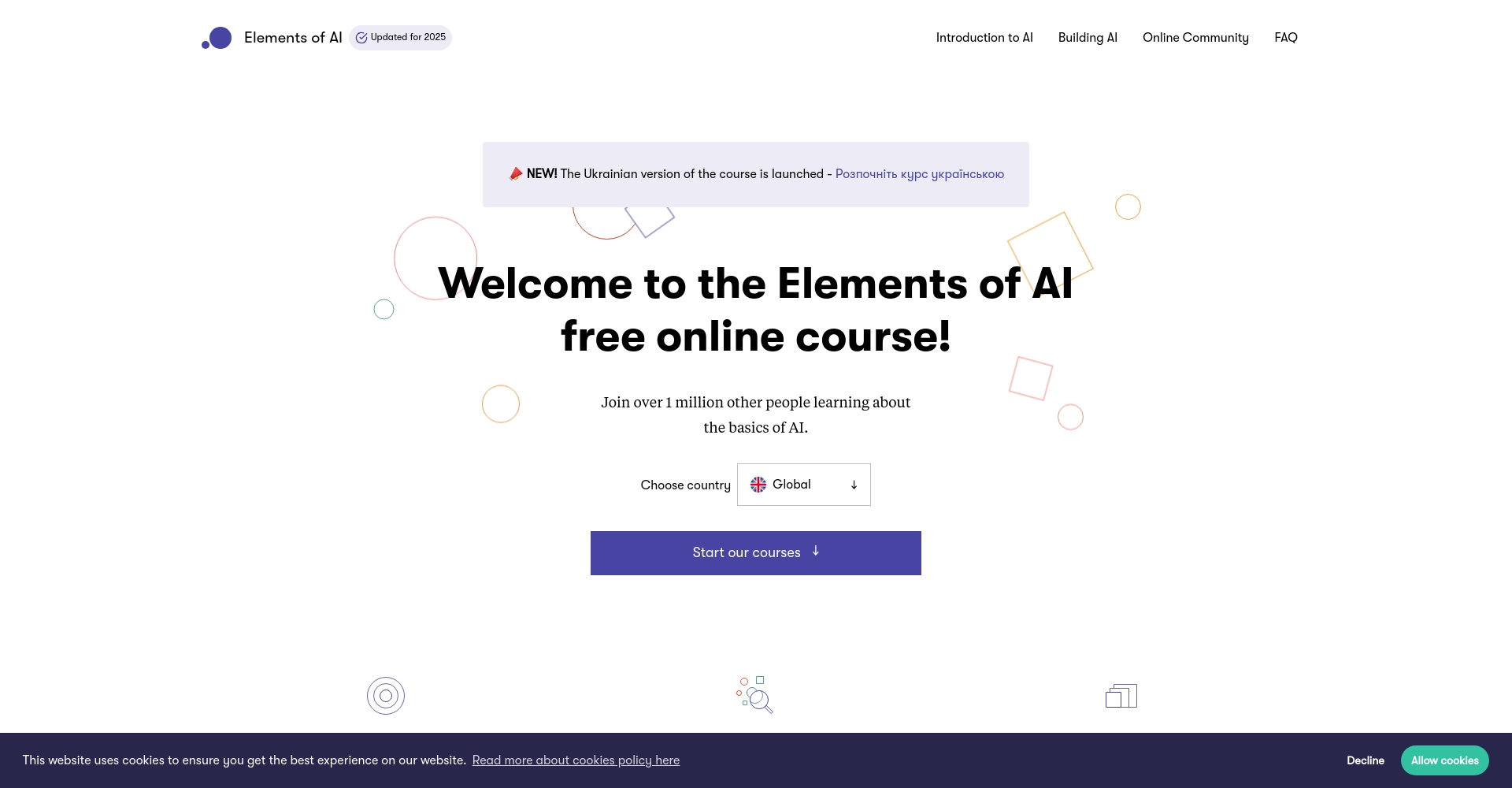
| Free AI Online Courses | Elements of AI | Beginner |
| In-depth technical courses | Coursera-Deep Learning Specialization | Developers and students |
| AI Tool Implementation | Google Cloud Vertex AI Course | Enterprise/Technology Team |
| Basic Chinese video teaching | Professor Li Hongyi's YouTube channel | All age groups in the Chinese-speaking world |
| Quick Start Guide | OpenAI GPT Introductory Tutorial | Salesperson/Marketing/Writer |
Conclusion
Artificial intelligence is disrupting traditional industries and lifestyles at an exponential rate.From data analysis and speech recognition to content production and smart healthcare, AI technology has penetrated every corner of daily life.In the future, with algorithm innovation, computing power advancements, and the development of AI tool platforms such as...Vertex AIAs AI becomes more widespread, its applications will continue to expand, creating endless possibilities. Whether you are an individual or a business, only by continuously learning and making good use of existing AI tools can you remain competitive in the digital age.
Take action now and experience the intelligent transformation brought about by AI!
© Copyright notes
The copyright of the article belongs to the author, please do not reprint without permission.
Related posts


No comments...