What is Azure? A 5-minute guide to the core advantages and application scenarios of Microsoft Azure cloud services.
[News Center Report] As the digital wave drives global business transformation, more and more companies are starting to focus on cloud strategies.Microsoft Azure cloud servicesAs one of the market-leading public cloud platforms, Azure has become the preferred choice for enterprise digital upgrades and elastic scaling. In just five minutes, let us analyze the essence of Azure, its five core advantages, and its applicable real-world scenarios from a professional perspective, helping IT and decision-makers quickly grasp the key to the new era of cloud deployment.
What is Microsoft Azure?
Industry-leading cloud service platform
Azure It was officially launched by Microsoft in 2010.Enterprise-grade public cloudThe platform integrates IaaS (Infrastructure as a Service)、PaaS (Platform as a Service)、SaaS (Software as a Service)It supports over 200 cloud products and services. Enterprises can leverage Azure to build and deploy applications, analyze big data, drive AI-driven decision-making, and accelerate business innovation across various innovative scenarios, including IoT and hybrid cloud architectures.
Global deployment, flexible and elastic
According to official Microsoft documentation, Azure is currently deployed on... 60+ regionsWith data center coverage in markets across the Asia-Pacific region, Europe, North America, the Middle East, and Africa, we ensure high-speed connectivity and compliance for our users.
| field | Service coverage | Applicable examples |
|---|---|---|
| Retail | Global content acceleration, ERP cloud migration | Global chain management |
| Finance/Insurance Industry | High-security, compliant computing power, AI risk control analysis | Anti-fraud and KYC analysis |
| Manufacturing/Industry | IoT device monitoring, MES cloudification | Production Automation |
| public sector | Big data storage and disaster recovery | One-stop management of government and municipal data |
| Innovation/Technology Industry | Rapid deployment, low-cost elastic scaling | App development and testing, website setup |

Analysis of the 5 Core Advantages of Microsoft Azure
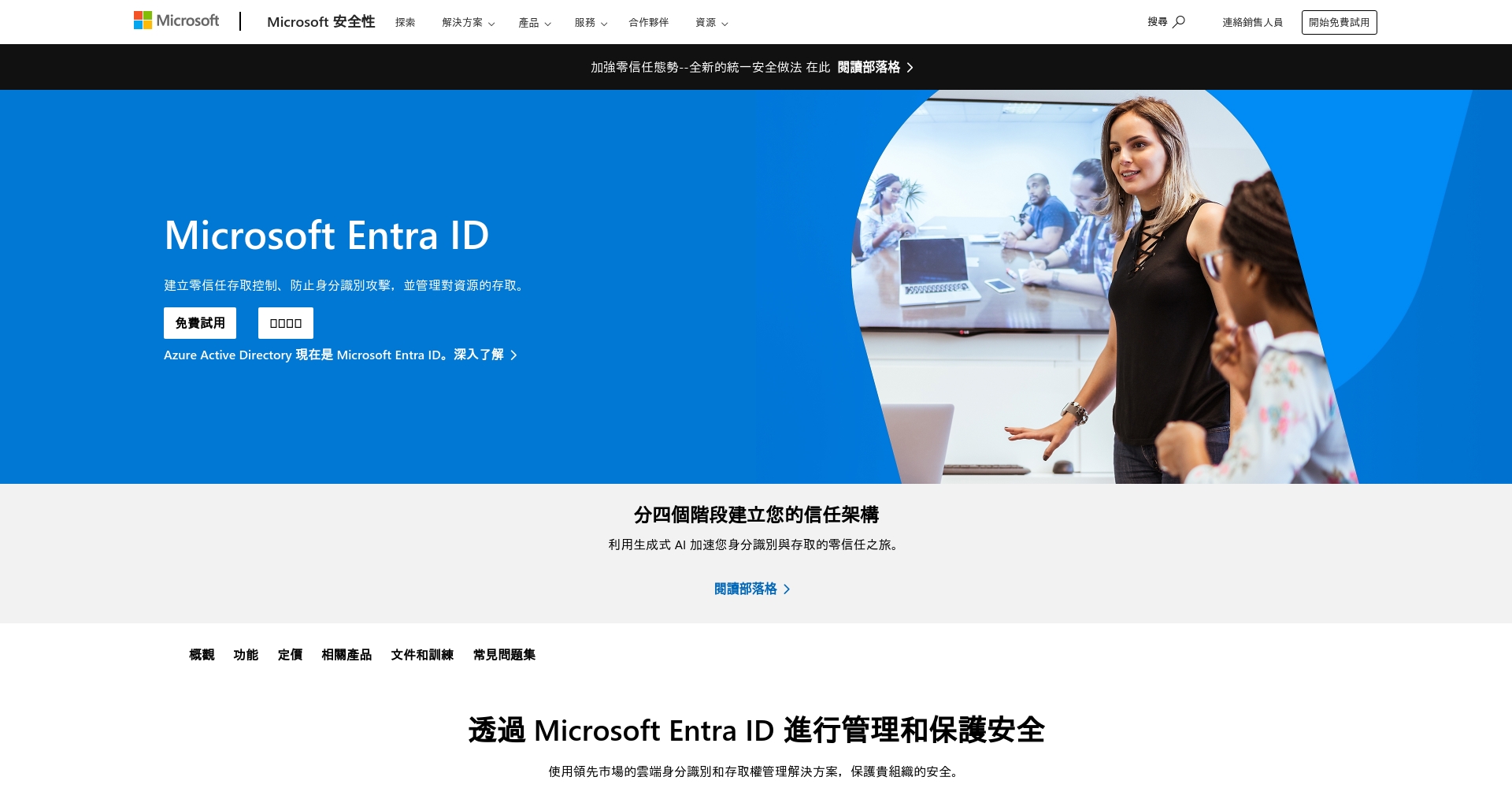
1. Azure Active Directory (AD) — One-stop identity management and security solution
Azure Active Directory(Official introductionIt provides enterprises with a single sign-on experience. IT administrators can easily manage authentication across multiple devices, applications, and cloud resources, reducing the risk of information leakage. Combined with advanced features such as MFA (Multi-Factor Authentication) and conditional access, it protects critical business assets.
- Cross-regional centralized identity control
- Supports mobile devices and virtual offices
- Easy to integrate with Office 365, SaaS, and self-built applications.

2. Flexible computing and flexible billing—the first choice for temporary workloads.
One of the greatest appeals of the cloud is its "pay-as-you-go" approach. Many enterprise customers run statistical analysis and data processing applications on Azure that only need to be active during peak hours, without incurring fixed hardware costs. Whether it's running for a few hours a day or temporarily scaling up during peak seasons, Azure provides maximum flexibility.
For example, a financial services company only needs to perform interest rate calculations for a few hours each day, and can automatically switch Azure compute nodes on and off, pay on time, and greatly save capital expenditures.
| Traditional architecture | Azure Elastic Services | Corporate benefits |
|---|---|---|
| High-cost hardware purchase | Start virtual machines and containers on demand | Fees are calculated based on usage only. |
| Expansion will take several weeks/months | Resource adjustment completed in minutes | Quickly respond to high traffic |
| Heavy maintenance burden | Self-service control, simplified management | IT focuses on core business |
3. Disaster recovery and cloud backup — ensuring business continuity
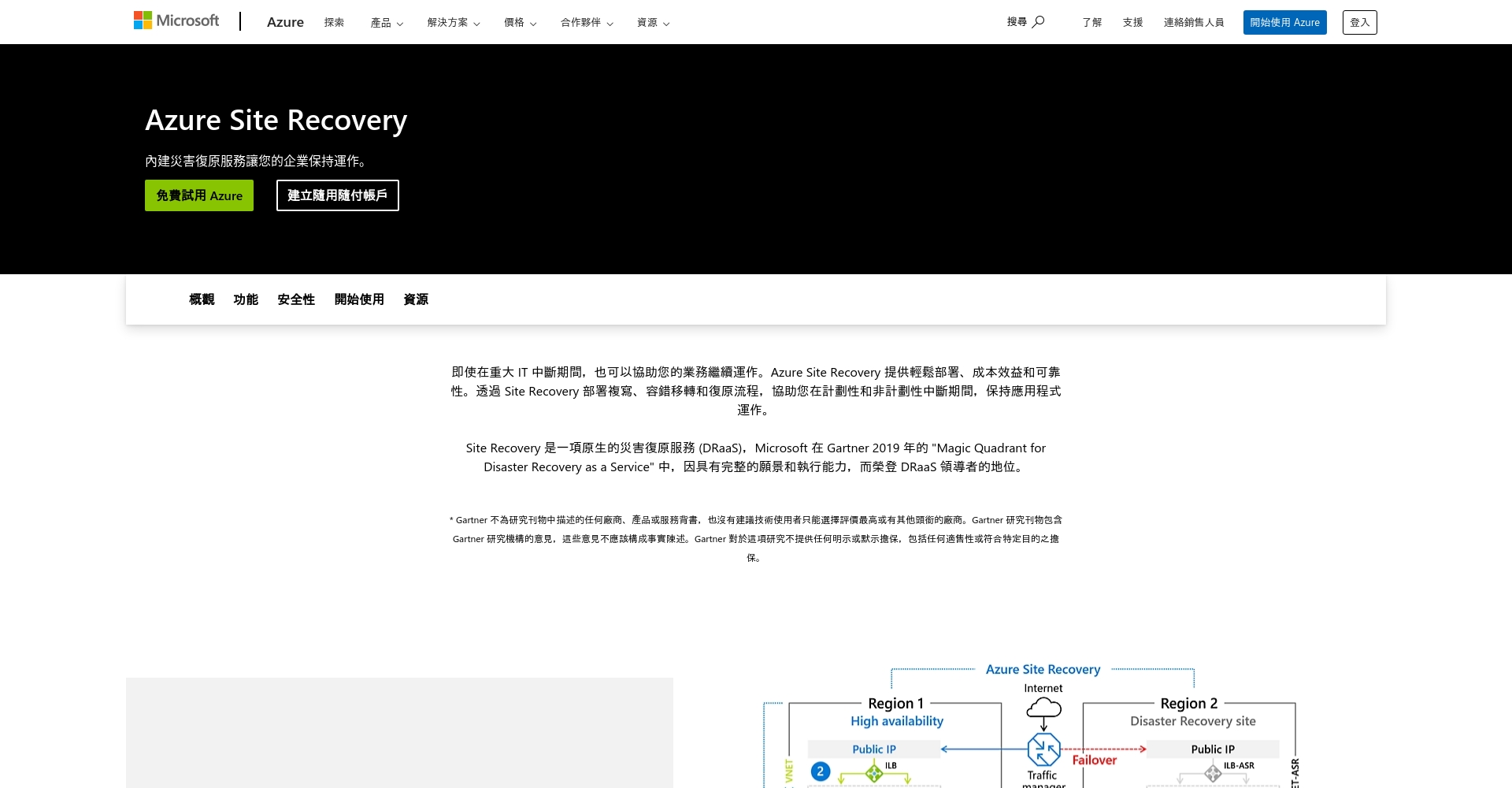
Modern enterprise information security cannot rely solely on local backups.Azure Site Recovery(Official introduction)and Azure Backup Cloud services enable critical data to be backed up and restored across regions, unaffected by host failures or ransomware attacks. 24/7 cloud availability significantly enhances a company's resilience.
- Automatic service backup and regular disaster recovery drills
- Supports multiple platforms including ground, virtual, and cloud.
- Original manufacturer compliance certification, meets international standards

4. Unlimited scalability of cloud data centers—resources can be scaled up or down, lowering the capital threshold.
Startups and growing businesses often cannot afford high-end local data centers. Azure achieves a highly available architecture through multiple data centers and tens of thousands of servers worldwide. IT teams only need to deploy services online, and traffic and bandwidth are automatically allocated on demand, eliminating concerns about single points of failure.
Higher security levelMicrosoft has been working in cybersecurity, DDoS protection and monitoring for many years, providing industry-leading solutions.
| Traditional self-built data centers | Azure Cloud Center | Risk Management |
|---|---|---|
| Construction requires hundreds of thousands | No initial large investment required | Increase or decrease as needed, never idle. |
| Single point of failure in server | Multi-node redundancy switching | Uninterrupted service |
| Physical intrusion risk | 24-hour dedicated management | Corresponding cybersecurity guidelines |
5. Cloud-based Web Applications—A Powerful Tool for Automatic Scalability and High-Speed Deployment
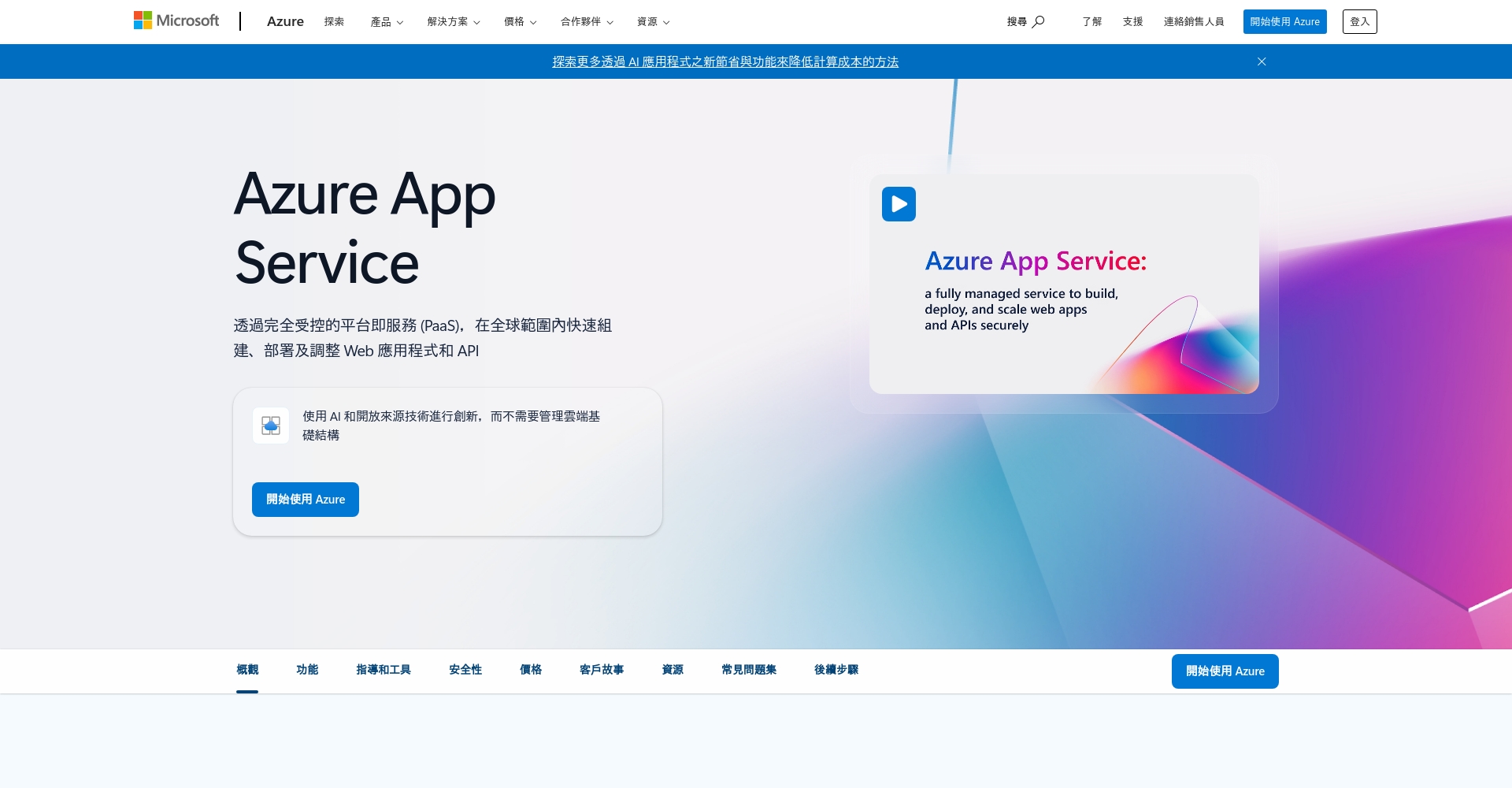
Online services need to adapt to sudden surges in traffic and rapid product launches.Azure App Service、Azure Functions It provides instant deployment and serverless architecture to help enterprises deliver highly flexible web, API, and backend services in the shortest possible time.
- Built-in automatic expansion, load balancing, and CDN
- Zero-disruption application deployment, integrated DevOps
- Reduce IT maintenance and improve user experience

Overview of Azure core application scenarios
To help readers understand quickly, the following is organized in a table format. Azure The five most common application areas:
| cloud functionality | Applicable Scenarios | Typical User Benefits |
|---|---|---|
| Identity Management and Security | Group multi-location collaboration, remote login | Strengthen cybersecurity and improve efficiency |
| Flexible billing calculation | Financial calculation, AI training, data analysis | Cost reduction and efficiency improvement, and immediate capacity expansion |
| Disaster recovery/backup | Important data and regulatory requirements | Protecting data and operating in compliance |
| Data center to cloud | Startups / Multi-location | Undeterred by single orders, ready overseas |
| Web/App Deployment | Customer numbers surged and traffic soared. | Instant deployment, painless upgrade |
Azure competes with major cloud services.
Azure is on par with AWS, Google Cloud, and IBM Cloud, but it leads and continues to expand in hybrid cloud expansion, Microsoft ecosystem integration (with Office 365 and Windows Server identity integration), and global regional rankings. Especially... Migration of legacy systems for medium and large enterprises, deployment of AI applications, data compliance management, and blockchain alliances. In fields such as [unclear], Azure enjoys a clear advantage.

How can businesses quickly enable Microsoft Azure?
New users can apply for free registration and receive up to USD$200 in trial credit and a 12-month free quota of some popular services.(Sign up for Azure now)
The recommended evaluation process is as follows:
- Inventory of existing IT resources and application systems
- Plan a cloud migration blueprint to address data security, compliance, and redundancy needs.
- Choose the appropriate Azure module based on your pure cloud or hybrid cloud strategy.
- Rapidly deploy enterprise applications using the Microsoft App Marketplace
- Combined with Sereno Cloud Solution (Official Consultant Services(or Microsoft Certified Reseller Program)
Reporter's View
As cloud computing continues to drive upgrades across industries, Microsoft Azure has become more than just a strategic choice for IT professionals; it's a top-tier cloud platform widely adopted by companies ranging from SMEs to Fortune 500 companies. Combining world-leading computing resources, a flexible cost structure, and versatile solutions, it provides a strong foundation for enterprise digital transformation, AI deployment, and global business expansion. If you're considering your future IT architecture, Azure is undoubtedly worth exploring and trying.
© Copyright notes
The copyright of the article belongs to the author, please do not reprint without permission.
Related posts


No comments...