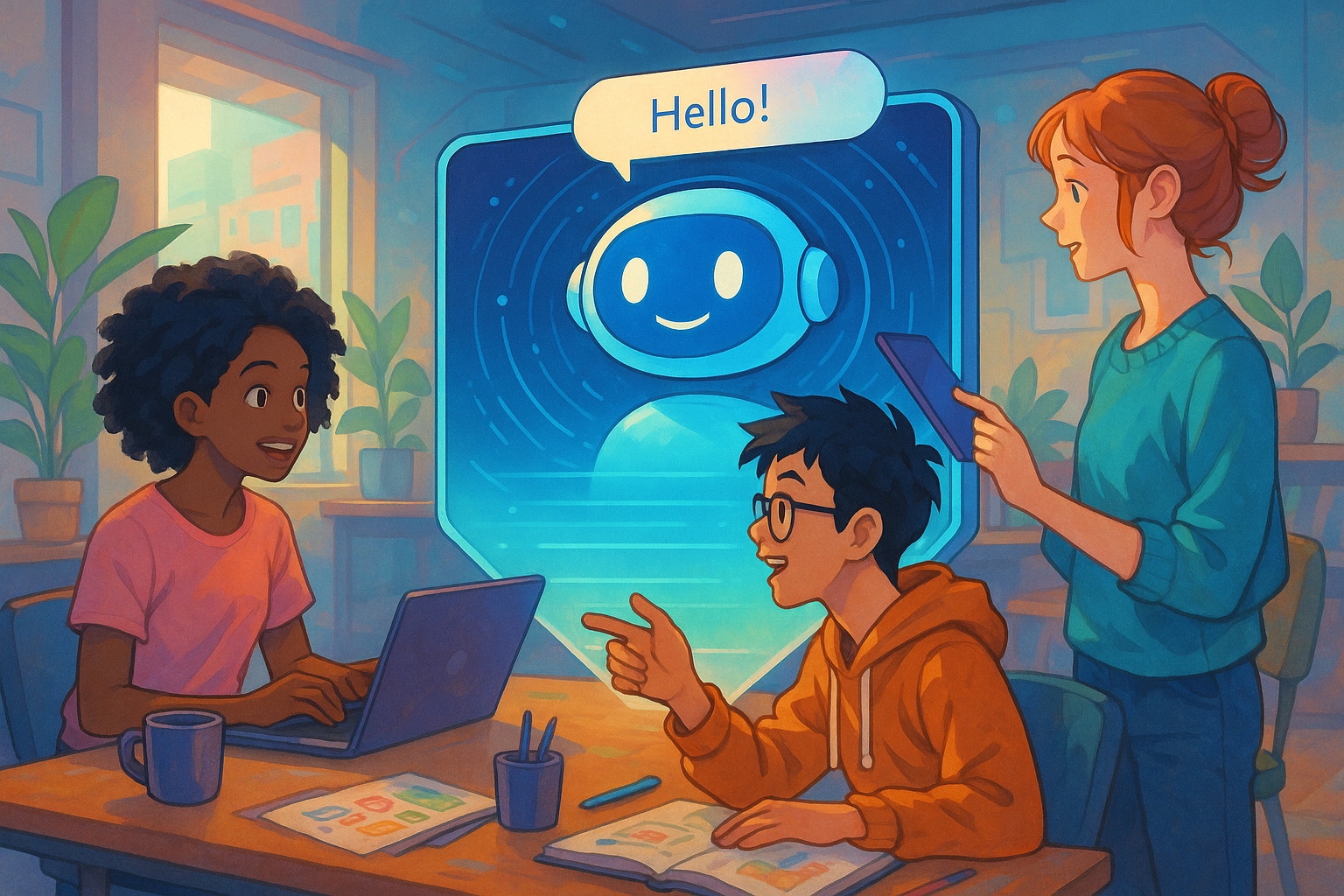
What is Generative AI? Learn its principles, applications, and potential risks in just 5 minutes.
Generative AI has become a hot topic in the tech world.It is revolutionizing people's learning, working, and lifestyles by generating content using deep learning models.This article provides an in-depth yet accessible analysis of the principles of generative AI, its mainstream technologies (such as GAN, GPT, and Diffusion Model), practical applications (office automation, creative content, healthcare, etc.), and potential risks (data breaches, misinformation, copyright disputes, etc.).In just 5 minutes, readers can systematically grasp the opportunities and challenges of this AI revolution, as well as future coping strategies.
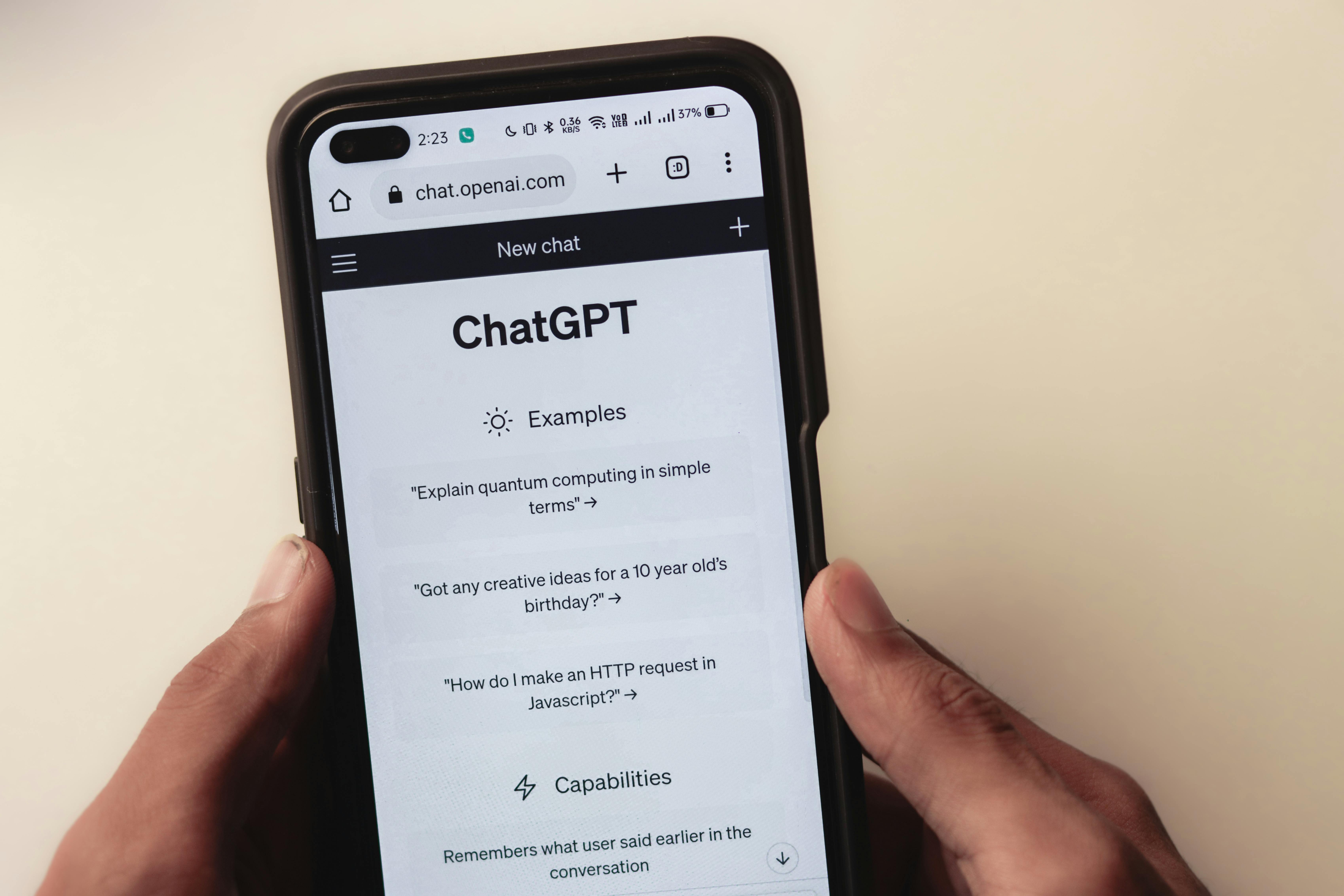
The principles and technological foundations of generative AI
What is generative AI?
Generative AI is an artificial intelligence technology that uses deep learning models to create "new content".Generative AI can automatically generate language, images, music, code, and even videos. Unlike "discriminative AI," which can only be used for tasks such as classification and recognition, generative AI has extremely high innovation capabilities.
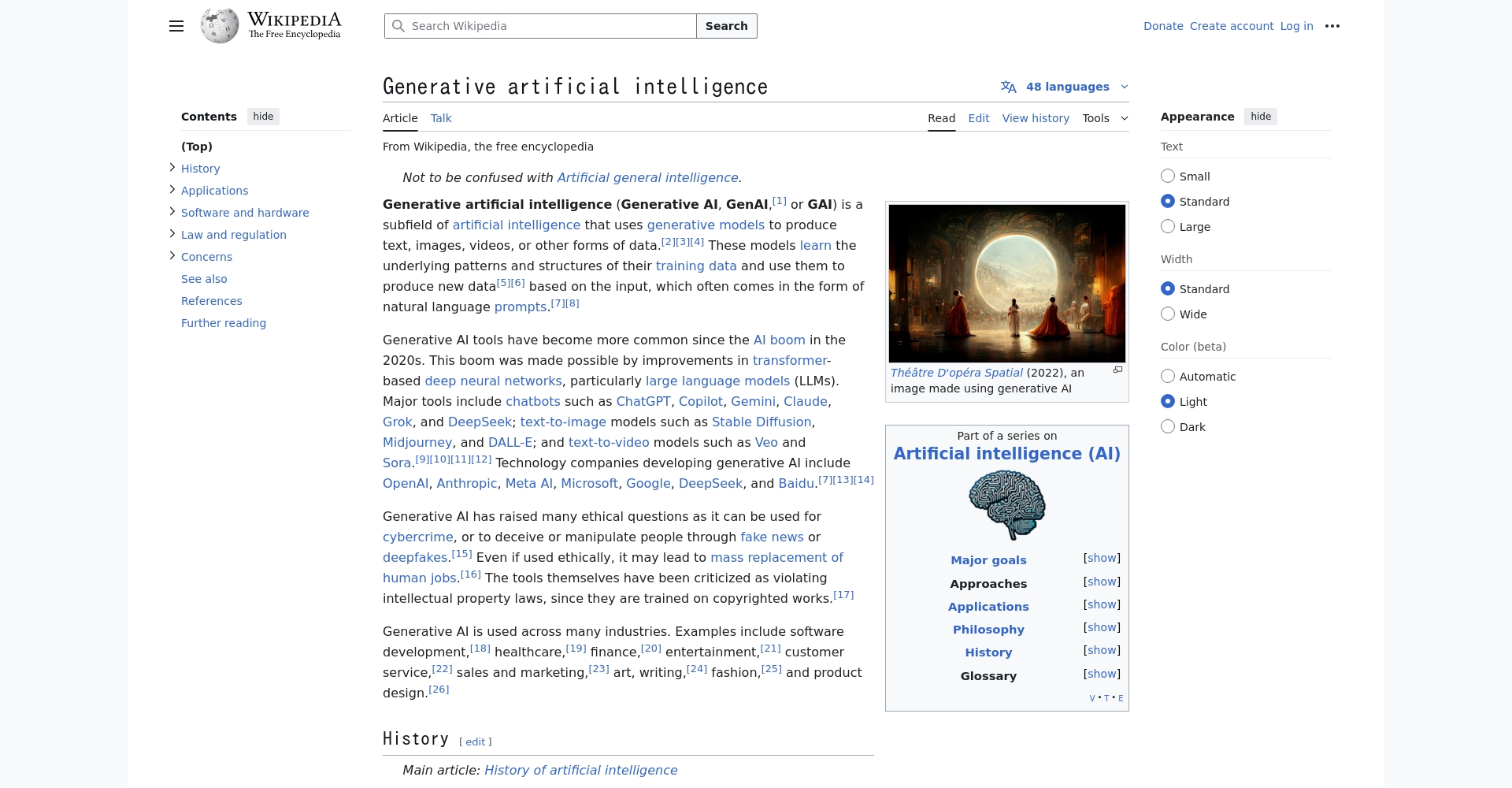
In simple terms, generative AI learns from a large amount of data and then applies what it has learned...Create information that is novel, logical, stylish, and even factual.。
Overview of Technical Foundations
| Technology Name | Introduction | Common Applications | Representative products |
|---|---|---|---|
| GANs | Dual-network adversarial training to generate realistic content | Image compositing, face swapping | NVIDIA GauGAN |
| GPT | Transformer-based language generation | Automatic writing, chatbot | ChatGPTGoogle Gemini |
| Diffusion Model | Generating high-quality content through progressive noise addition/reduction | Image generation, artistic creation | Midjourney、Stable Diffusion |
| VAE | Content generated by random sampling after encoding and compression | Image restoration, music composition | SoundStream VAE |

The core principles of generative AIThe goal is to enable AI to understand the sample structure and generate content in an "innovative" way.
Generative AI vs. Discriminative AI
Generative AI can not only "recognize", but also "create".For example:
- Discriminative AI: Determine whether a photo is of a cat or a dog.
- Generative AI: Create a new animal image that blends features of cats and dogs.
Main application scenarios of generative AI
According to research by IDC and GartnerGenerative AI has penetrated multiple industriesThe table below will give you a quick overview:
| Application areas | Specific Cases | Representing AI tools |
|---|---|---|
| Office documents | Automatic summaries, meeting minutes | Notion AIOtter.ai |
| Creative Design | Artistic Image Generation | Midjourney、DALL·E 3 |
| Media and Entertainment | Script generation, voice acting | ChatGPTDescript |
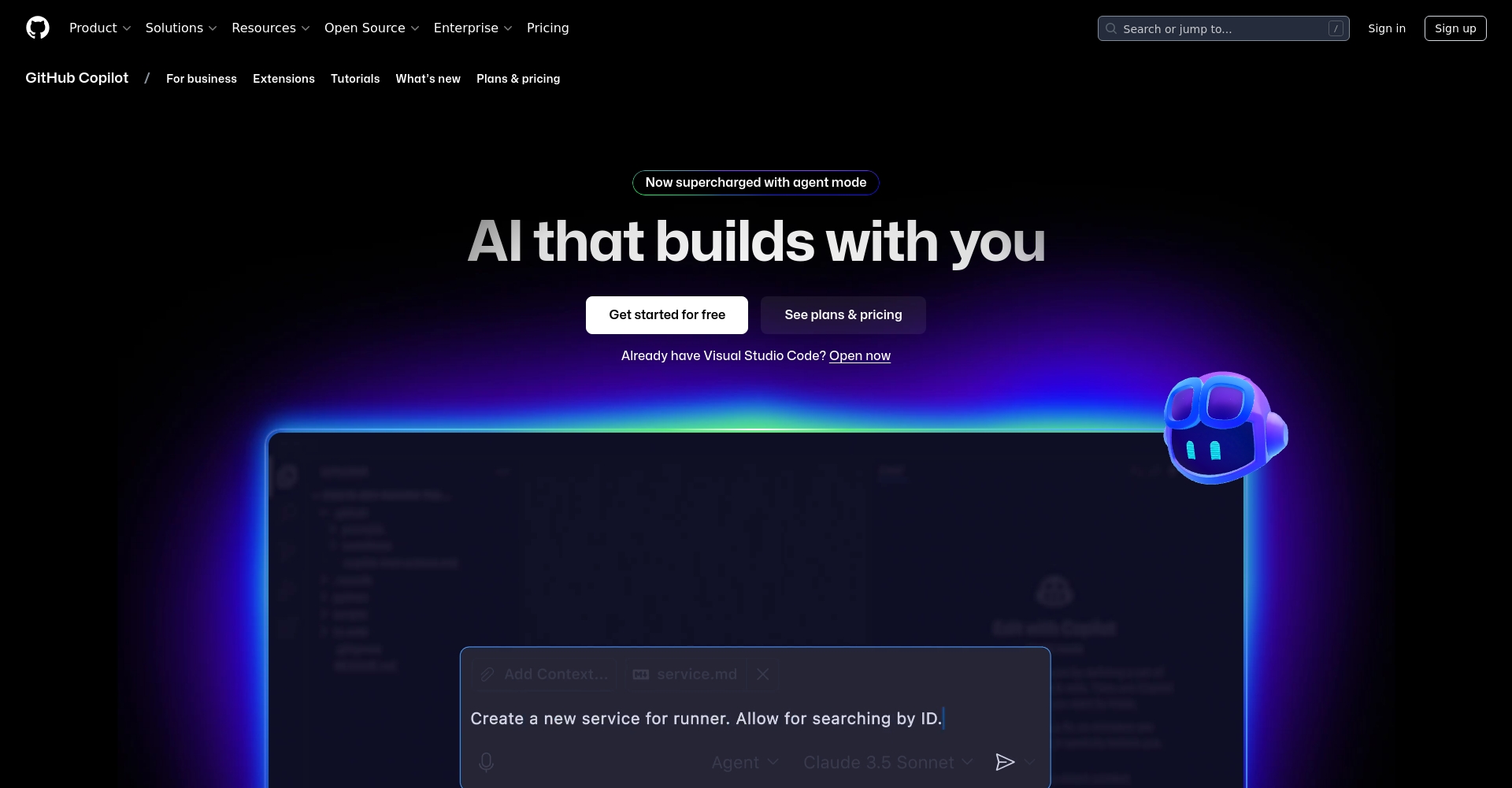
| Programming | Code generation, debugging suggestions | GitHub Copilot、Google Gemini |
| educate | Automatic question generation and voice output | KhanmigoQuizlet AI |
| Healthcare | Report generation and medical image interpretation | IBM Watson HealthBioGPT |
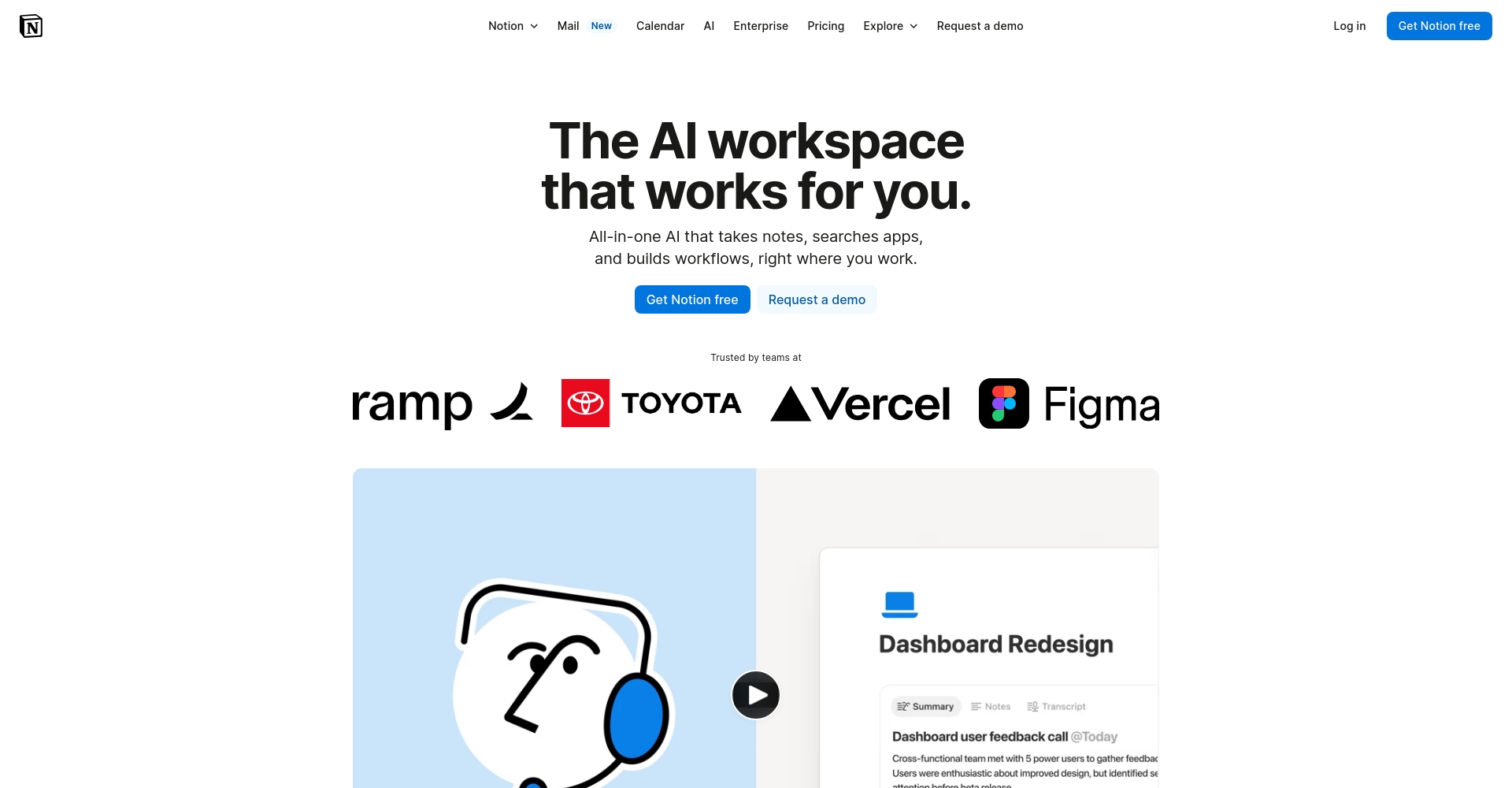
Office and administrative automation:AI tools automatically organize key points and generate meeting minutes (such as Otter.ai and Notion AI), significantly improving office efficiency.
Creative content production:Spotify uses AI to automatically create playlist recommendations, or Midjourney generates artwork based on text descriptions.
Media and entertainment industry:Assisting with scriptwriting and virtual character dialogue (such as Descript voice-over) significantly reduces post-production time.

Program development assistance:GitHub Copilot and other tools can directly generate code, significantly improving software development efficiency.
Education, self-study, and personalized learning:ChatGPT, Khanmigo, and similar tools can provide personalized instruction, automatically generating questions and suggesting learning strategies.
Medical Disease Prediction and Literature Processing:AI can automatically generate medical reports and assist in image interpretation.
Potential risks of generative AI
The risks and controversies surrounding generative AI have also attracted industry attention.The following table summarizes the core risks:
| Risk type | Specific Context | Assessment Difficulty | Prevention recommendations |
|---|---|---|---|
| Cybersecurity data breach | Chat content misused or reproduced by AI | 高 | Sensitive data encryption and strict access control. |
| False information generation | Deepfake news | 高 | Strengthen content verification and AI-powered content monitoring |
| Intellectual Property Infringement | AI-generated content suspected of plagiarism. | 中 | Use authorized data for training and enhance compliance. |
| Prejudice and discrimination issues | AI generates racially biased statements. | 高 | Diversified data and strengthened ethical review |
| Regulatory compliance issues | Medical data leak | 高 | Compliance with GDPR and data protection regulations |
| Job replacement shock | Some jobs have been replaced by automation. | 中 | Develop AI-related and digital skills |
Cybersecurity and Privacy Crisis:AI training relies on a large amount of data, and if there is a vulnerability, it may involve the leakage of sensitive personal information.

Risks of counterfeit fraud and fake news:Generative AI can create highly realistic fake photos and videos (such as deepfakes), which, if used for fabrication, could threaten public opinion and safety.
Intellectual Property and Ethical Responsibility:Whether AI-generated content infringes copyright remains a gray area, and policies in various countries are still under discussion.
Prejudice and ethical controversy:If the training data is biased, the AI output will also contain corresponding discrimination and stereotypes, increasing social conflicts.
Job market shock:AI automation can replace jobs such as editors, customer service representatives, and junior programmers, requiring the development of new skills to cope with the changes.
The Future of Generative AI and User Response Recommendations
Whether you are a business leader, a self-media personality, or a student,The ability to effectively utilize AI without becoming overly reliant on it is the key to competitiveness in the new era.。
Three suggestions:
- Improving digital literacy:Pay attention to verifying the authenticity of AI-generated content, and do not blindly follow AI conclusions.
- Choose a trustworthy and compliant AI platform:PriorityGoogle Gemini、OpenAIPay attention to platform security policies.
- Keep up with legal and ethical trends:Stay informed about AI-related policies and data protection regulations to protect your rights.
Generative AI has become a core competitive advantage in the digital age. Opportunities and risks coexist; continuous learning, prudent use, and digital literacy are essential to winning the future!
© Copyright notes
The copyright of the article belongs to the author, please do not reprint without permission.
Related posts


No comments...